
March 20, 2026 | Monthly Network Meeting

Overview
Summary created by Zoom AI Companion | March 20, 2026
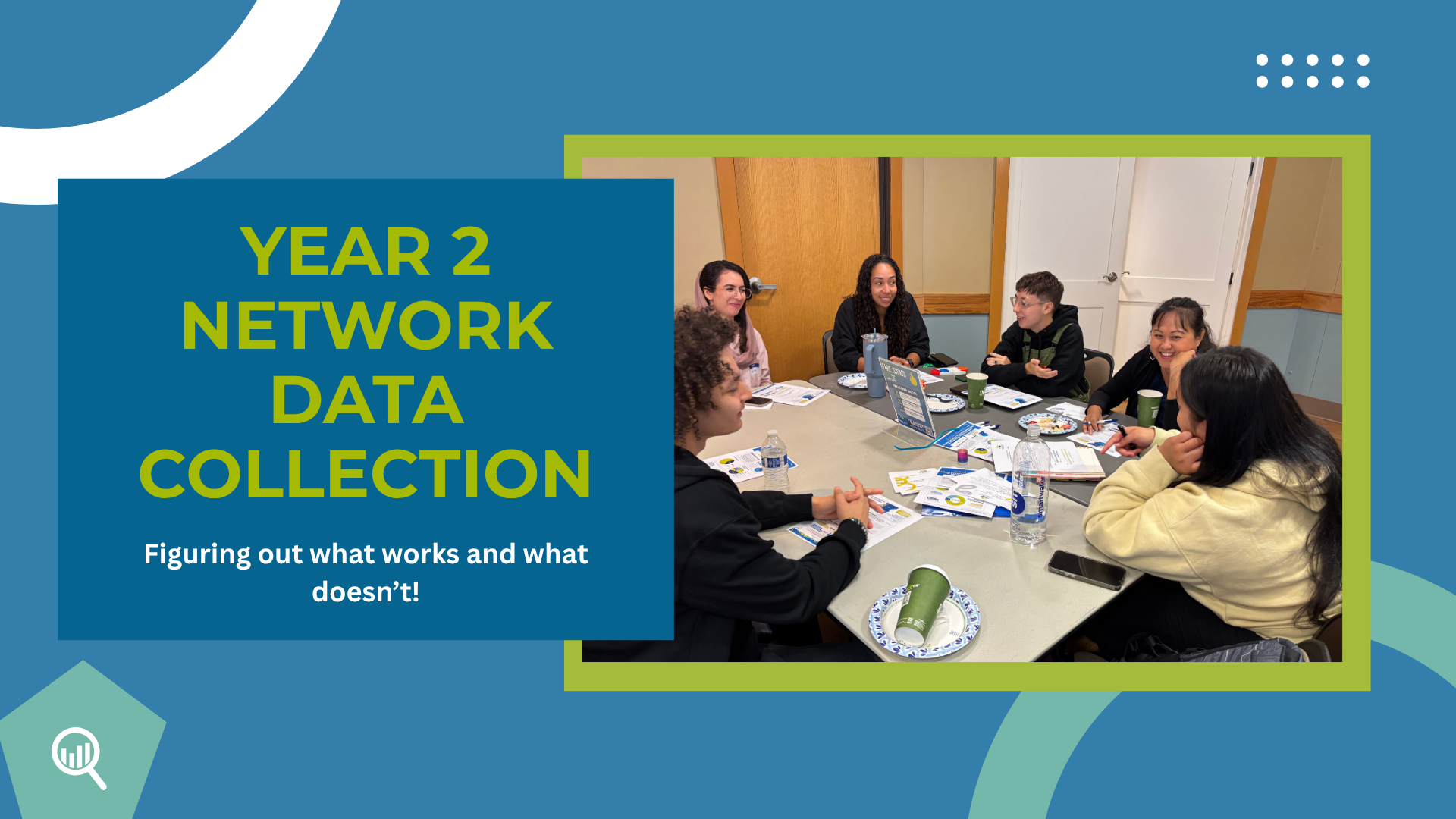
Year 2 Data Collection Updates
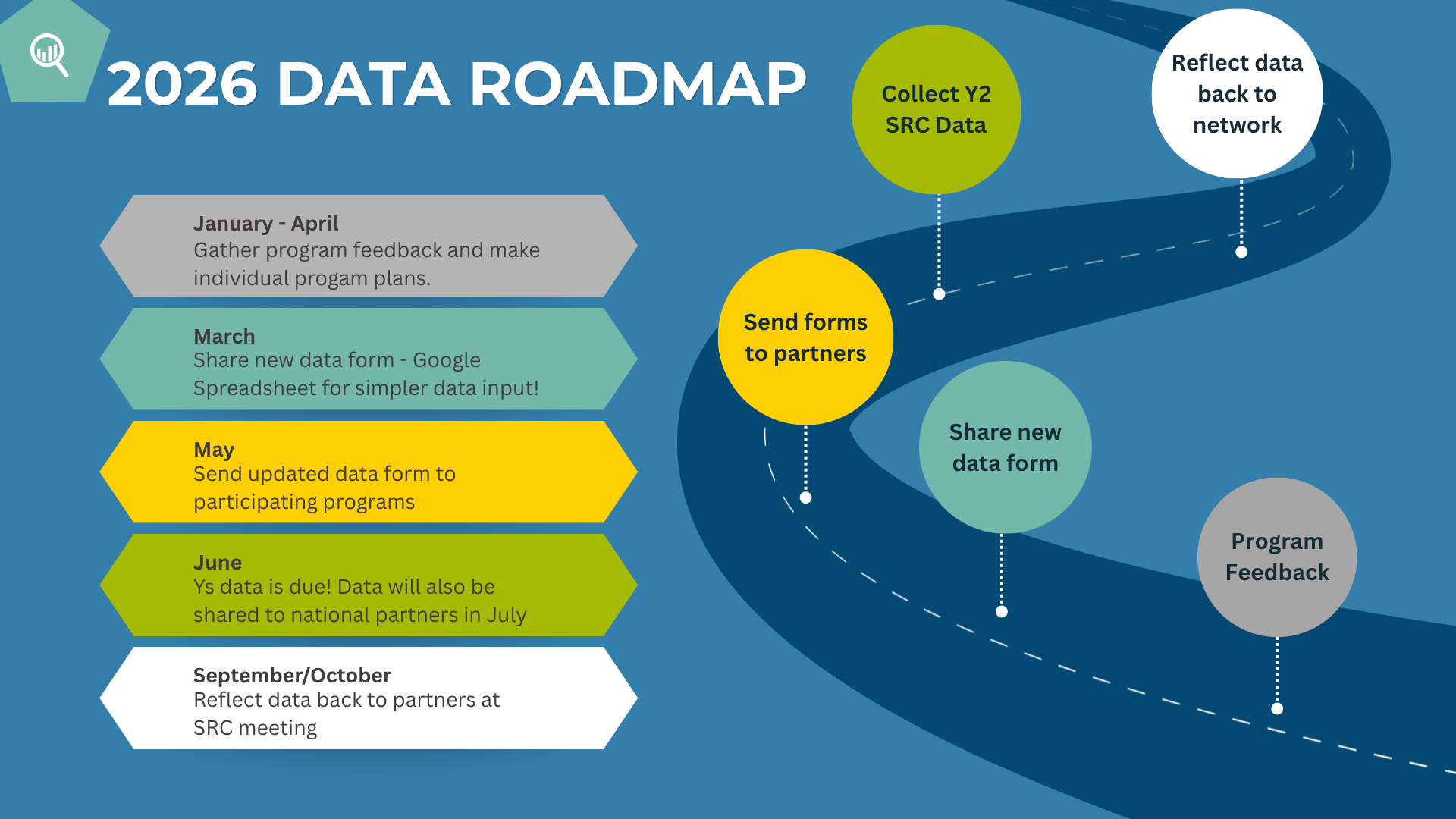
Switching from JotForm to Google Spreadsheet format for easier submission
New data points added: housing referrals and mental health services
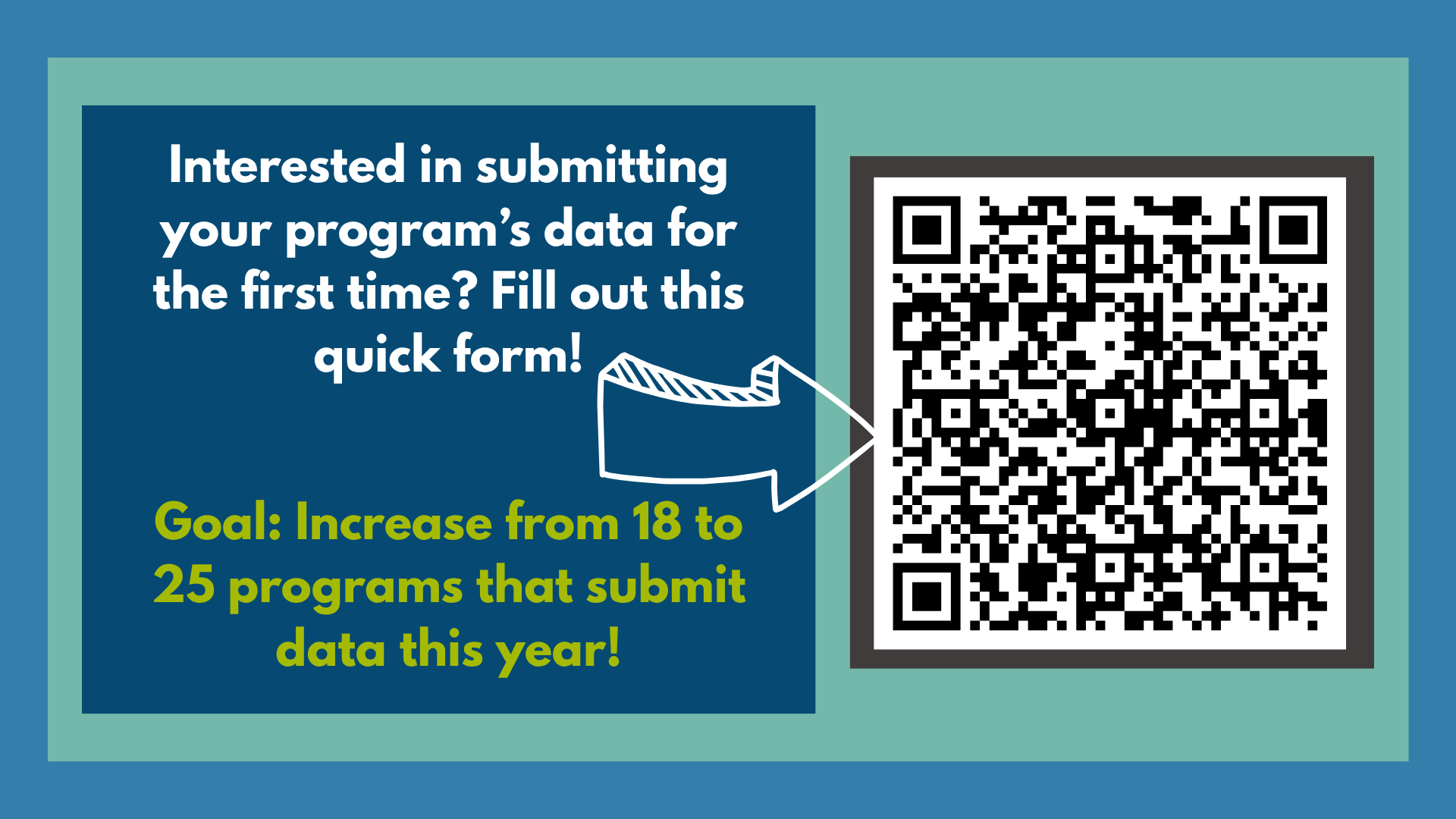
Goal: grow from 18 → 25 programs submitting data
Submission deadline: June 15; data reflection back to partners planned for September/October
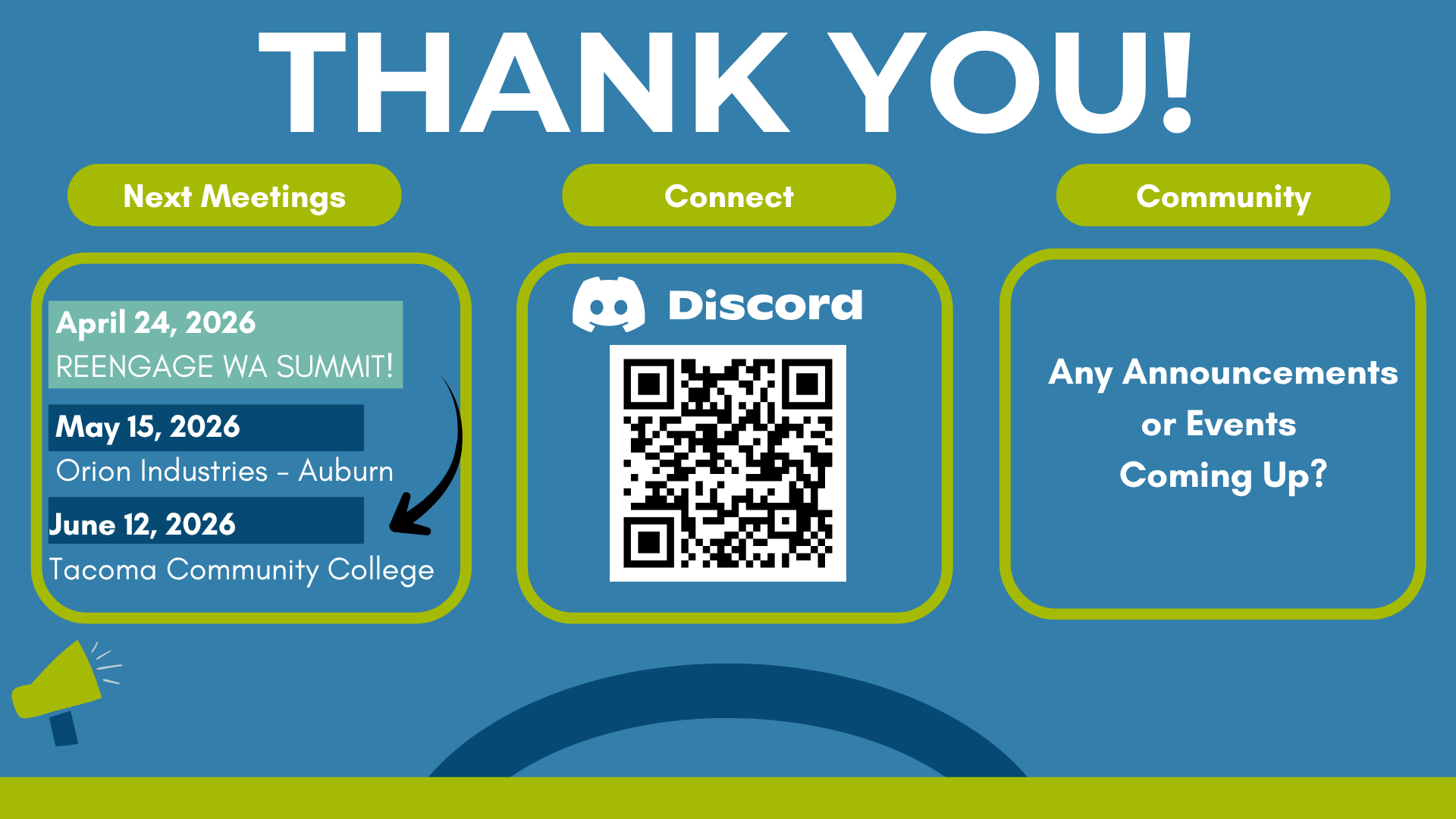
👉 All programs should prepare to submit Year 2 data by June 15, 2026, using the new Google Spreadsheet format that will be released around May 1st.
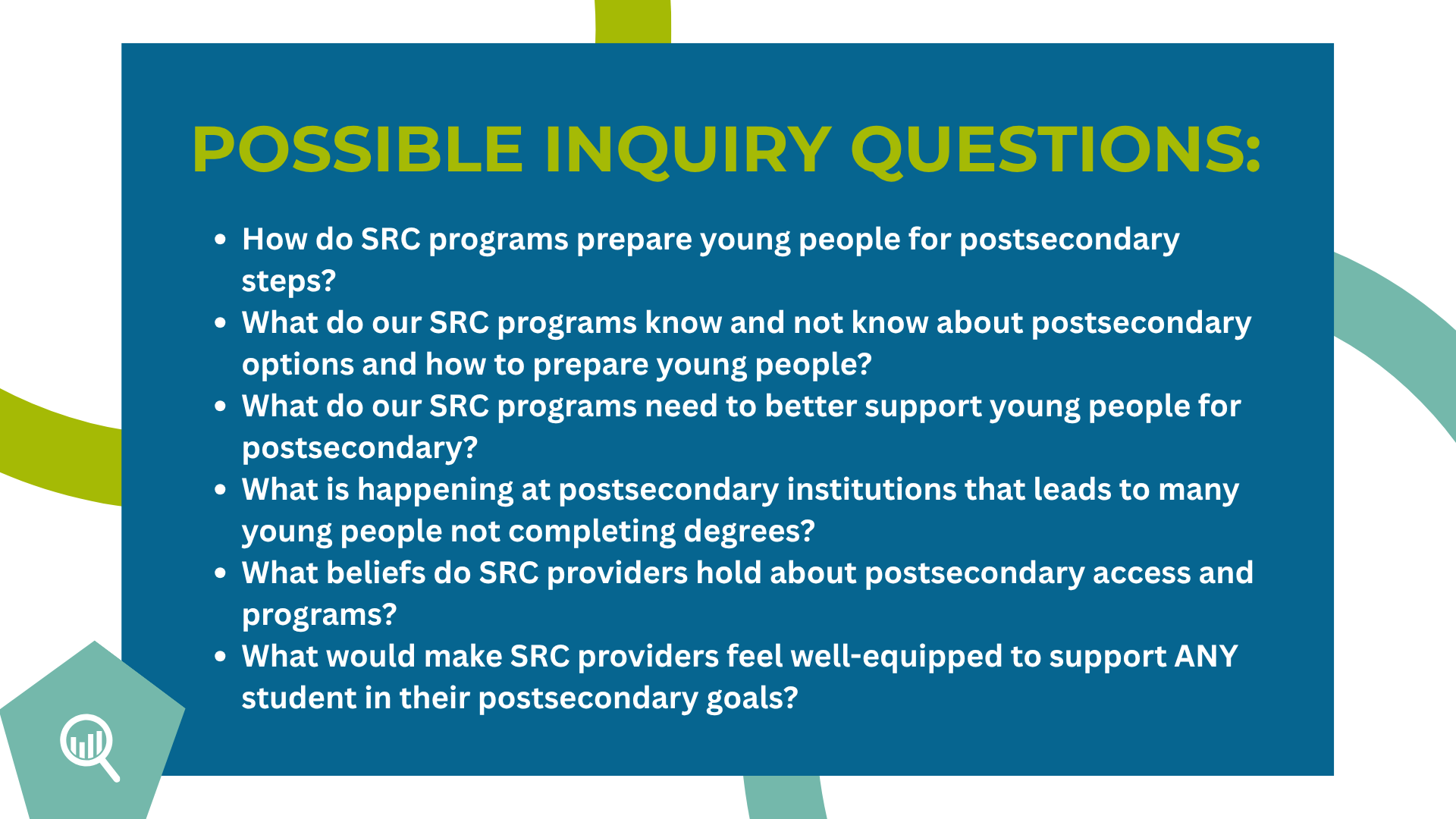
Building The Picture Together: Postsecondary Insights Activity: Address postsecondary disconnection among Opportunity Youth (16–24) and adult learners in South King and Pierce County.
Key Data Points
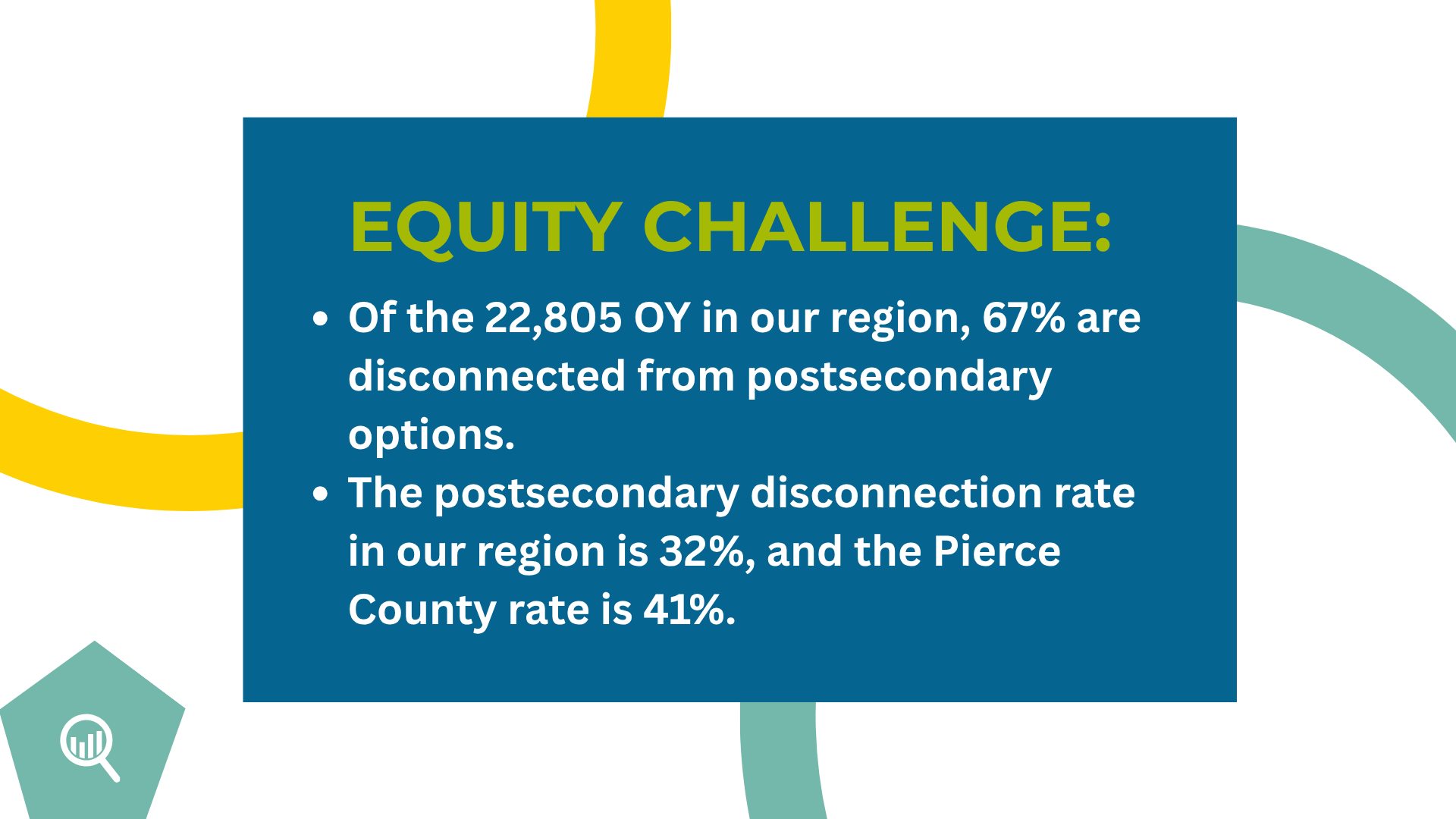
32% postsecondary disconnection rate regionwide; 41% in Pierce County (up 10% since 2019)
Of ~23,000 Opportunity Youth, 67% are disconnected from postsecondary options — despite many holding high school credentials
This far exceeds high school and workforce disconnection rates (~10% each)
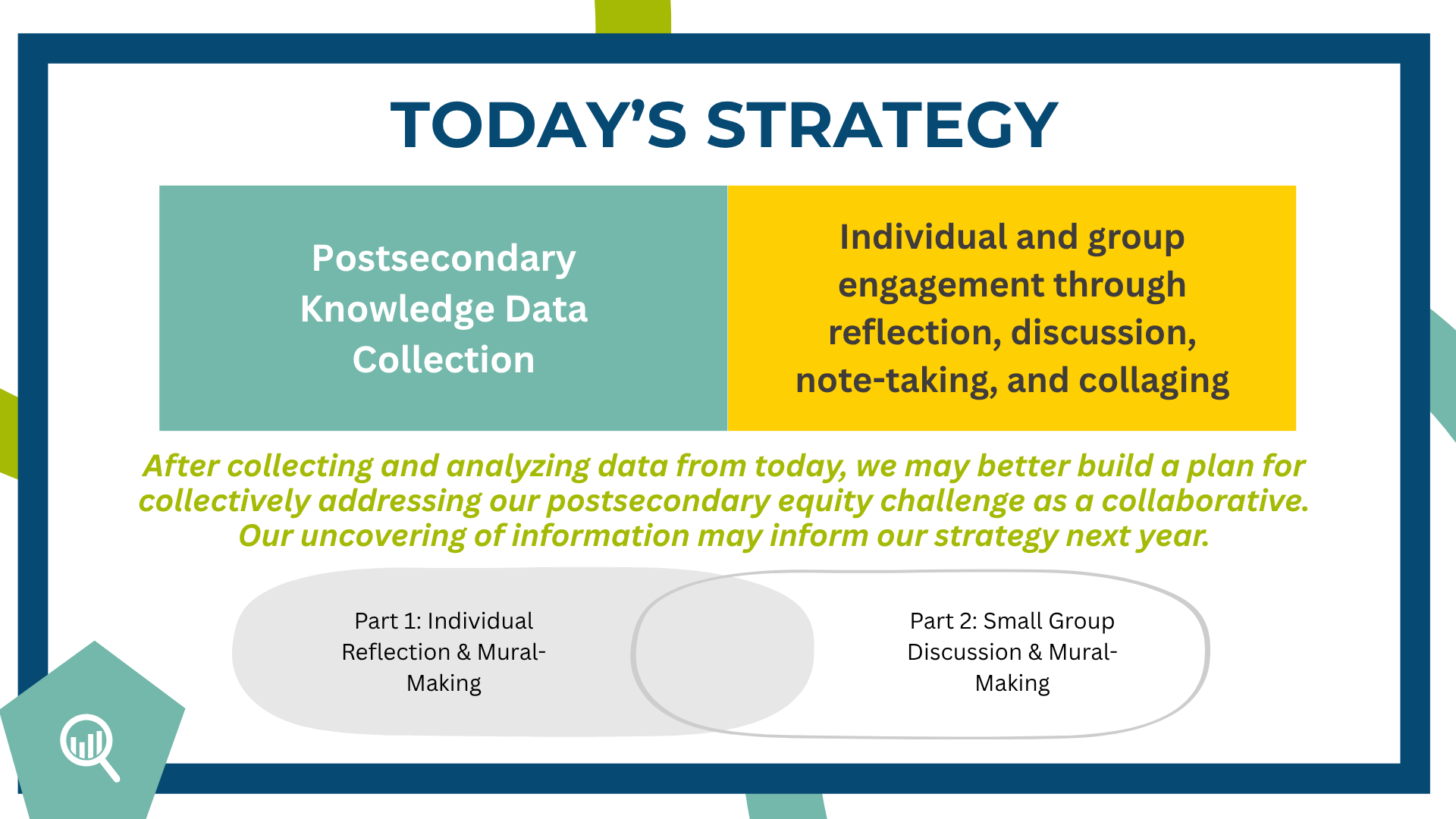
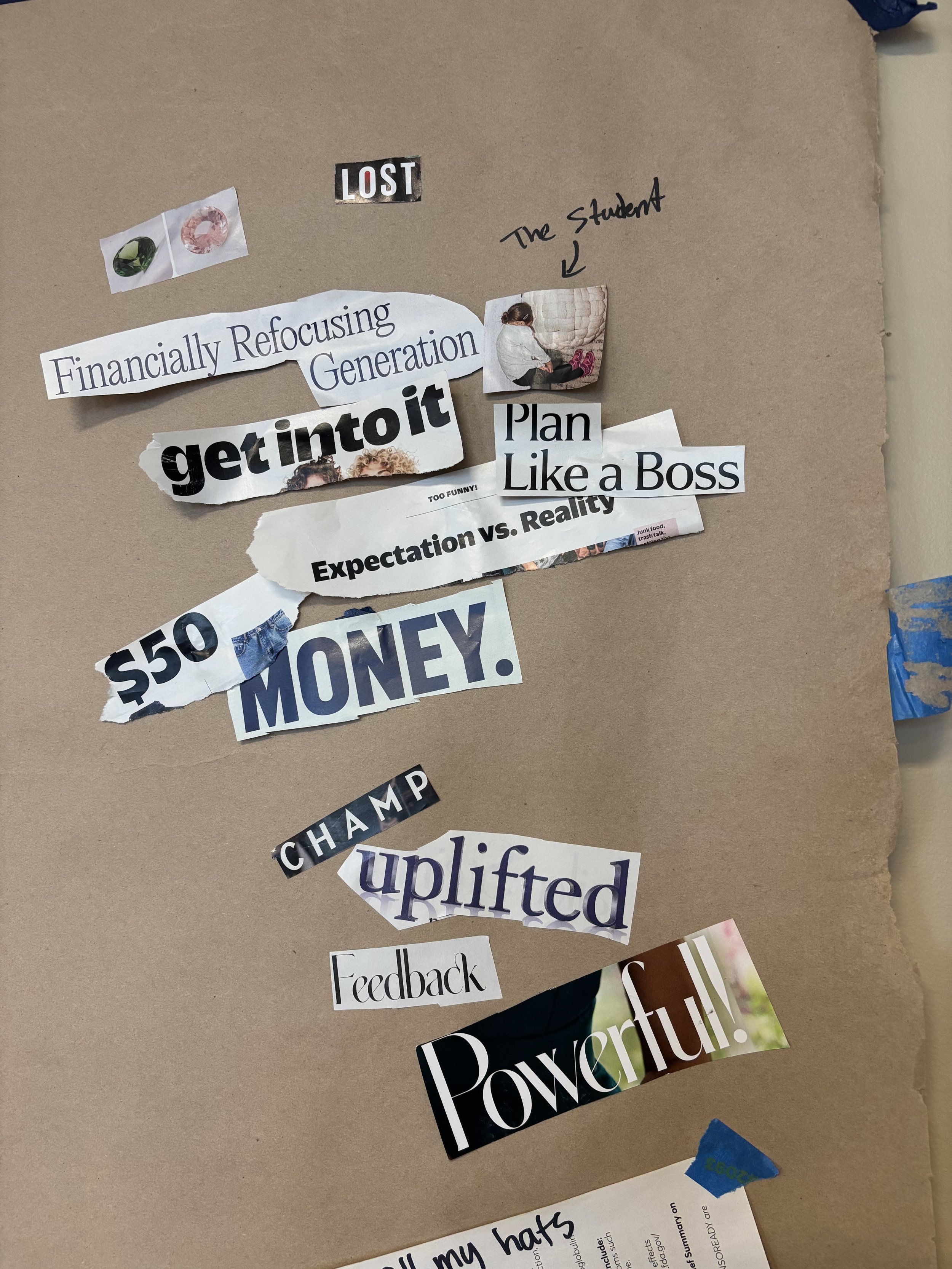
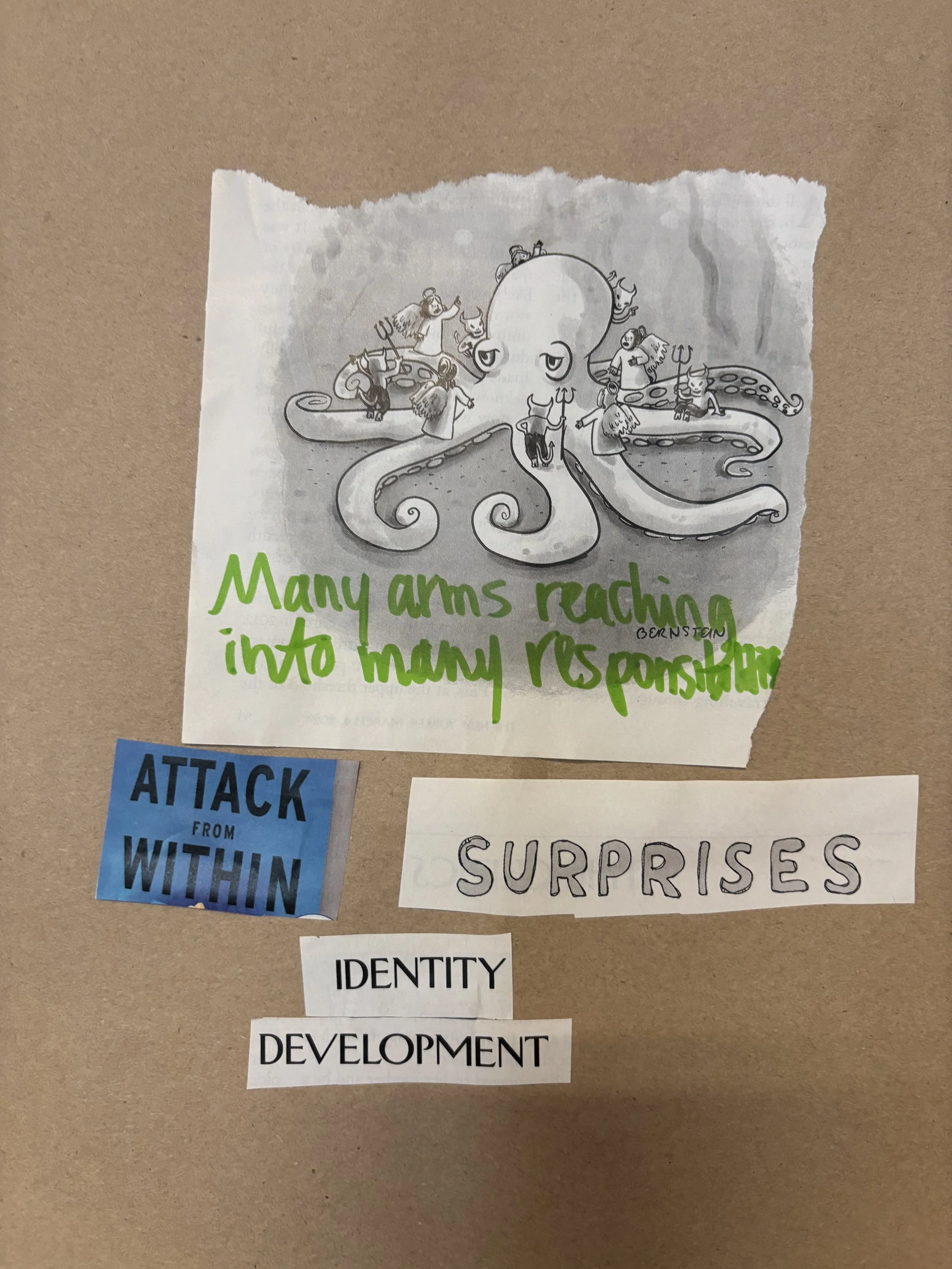
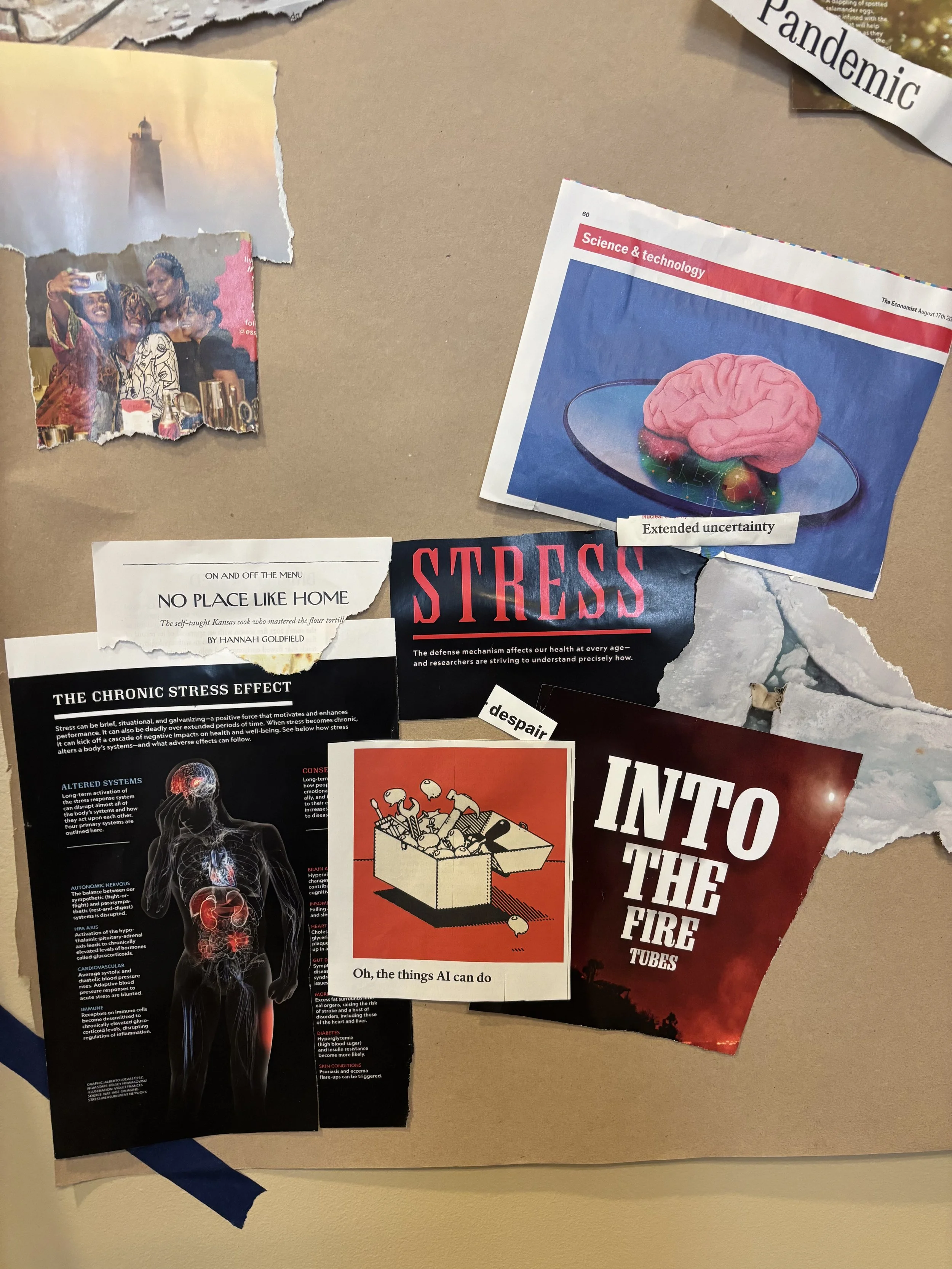
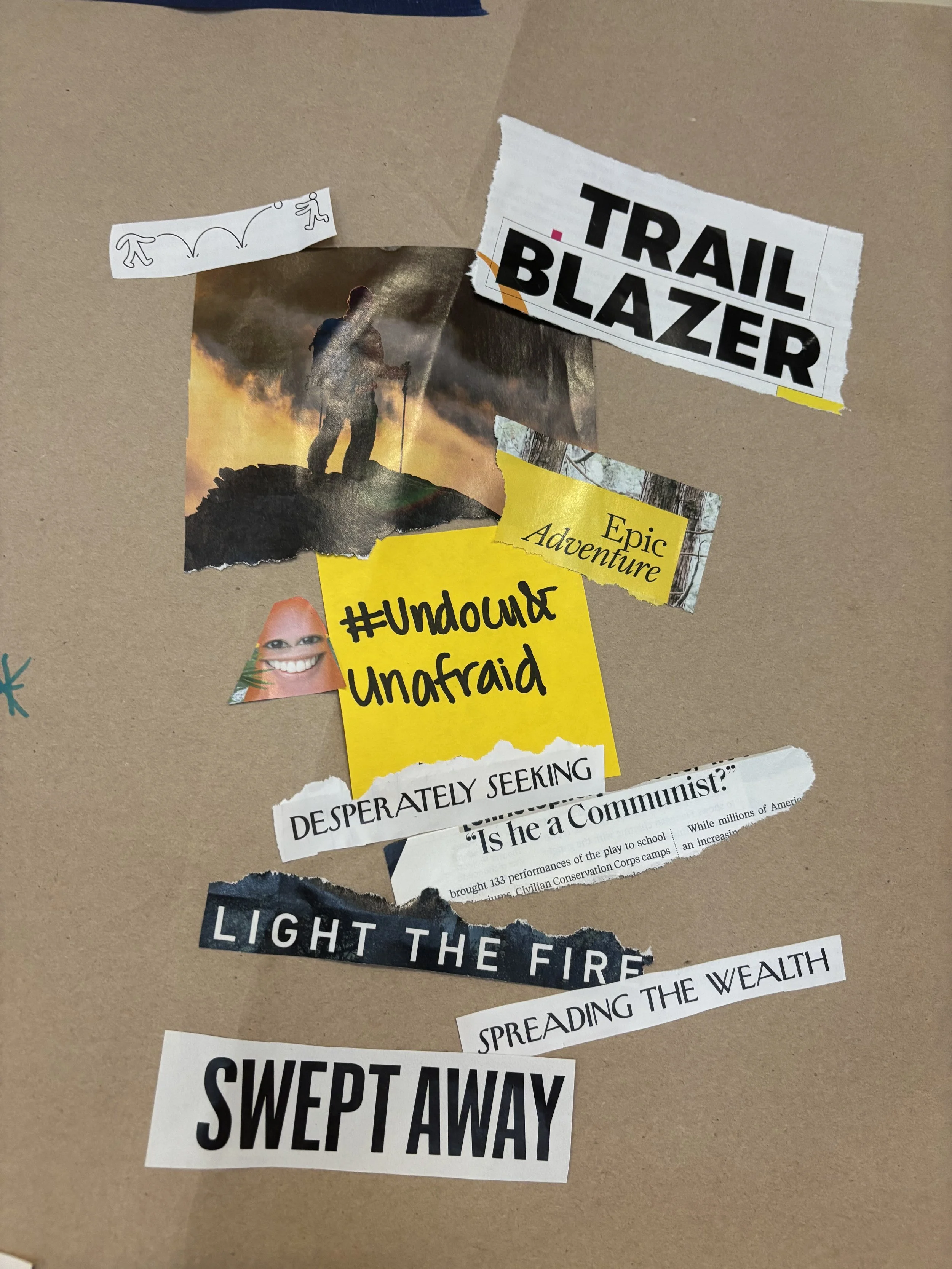
POSTSECONDARY INSIGHTS ACTIVITY
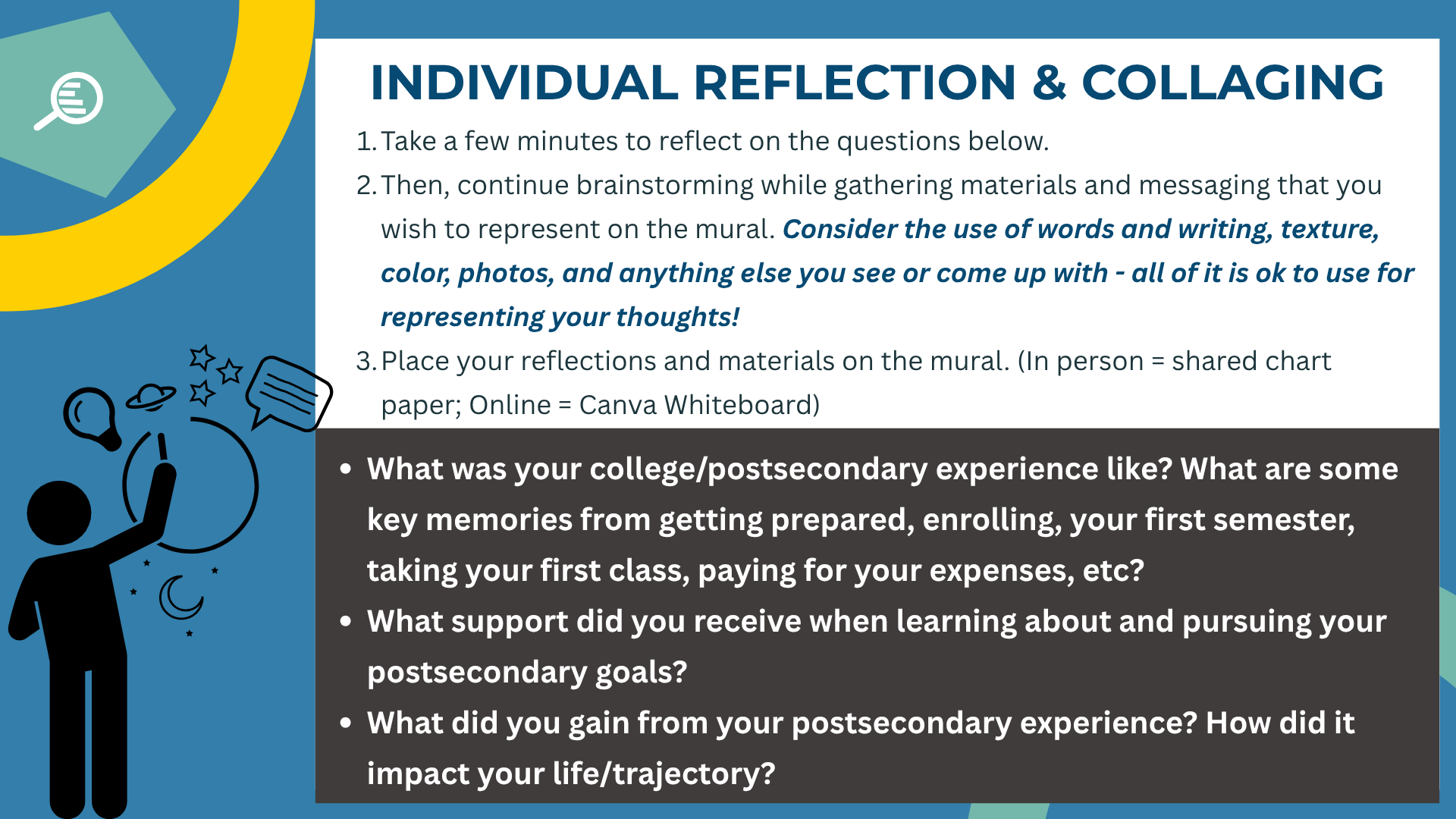
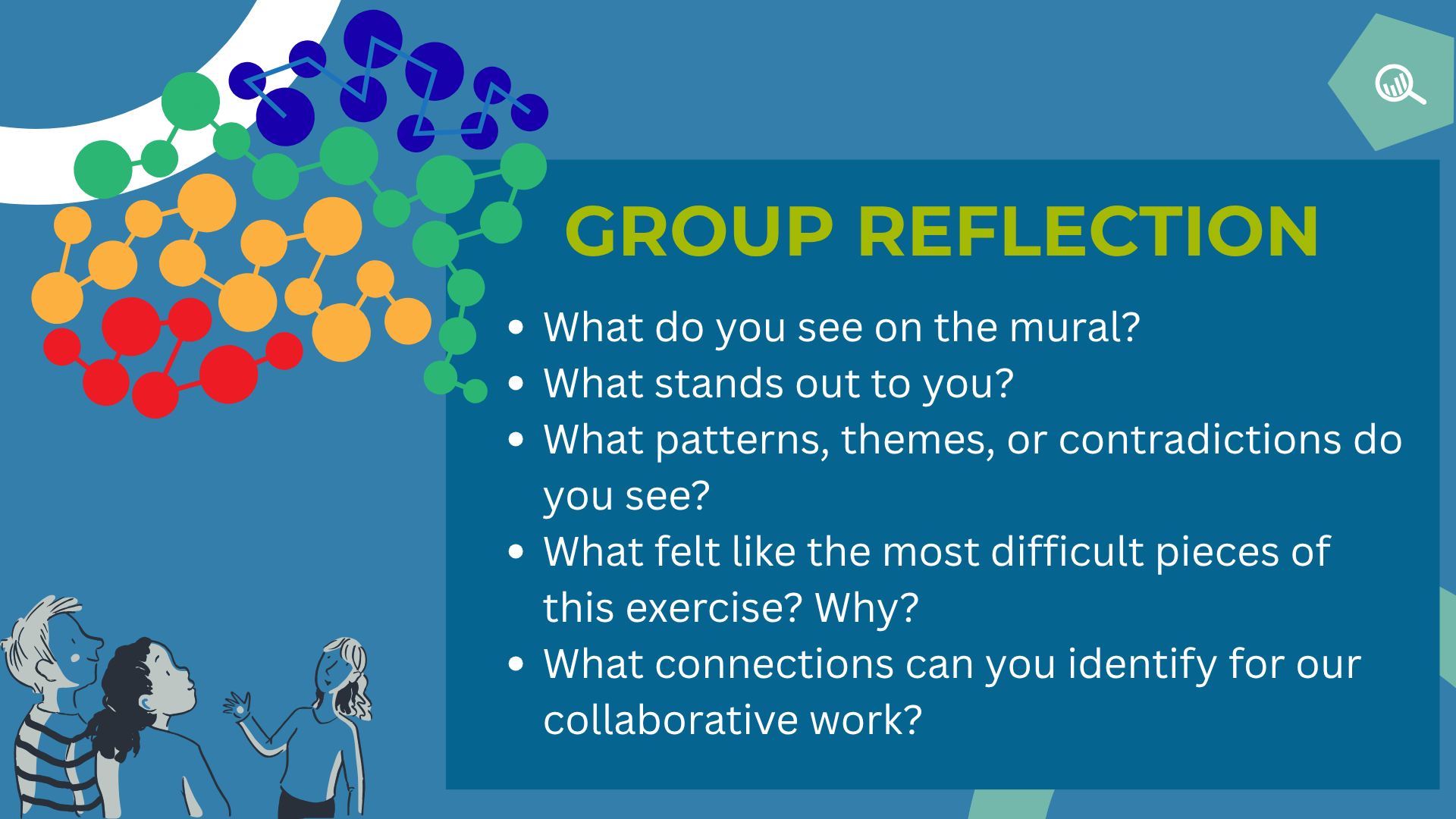
Participants engaged in a two-part street data activity led by Danika Martinez, which began with individual reflection on their postsecondary experiences. They considered questions about what their college or postsecondary experience was like, including key memories from preparation, enrollment, first semester, first class, and paying for expenses. They reflected on what support they received when learning about and pursuing postsecondary goals, and what they gained from their postsecondary experience and how it impacted their life trajectory.
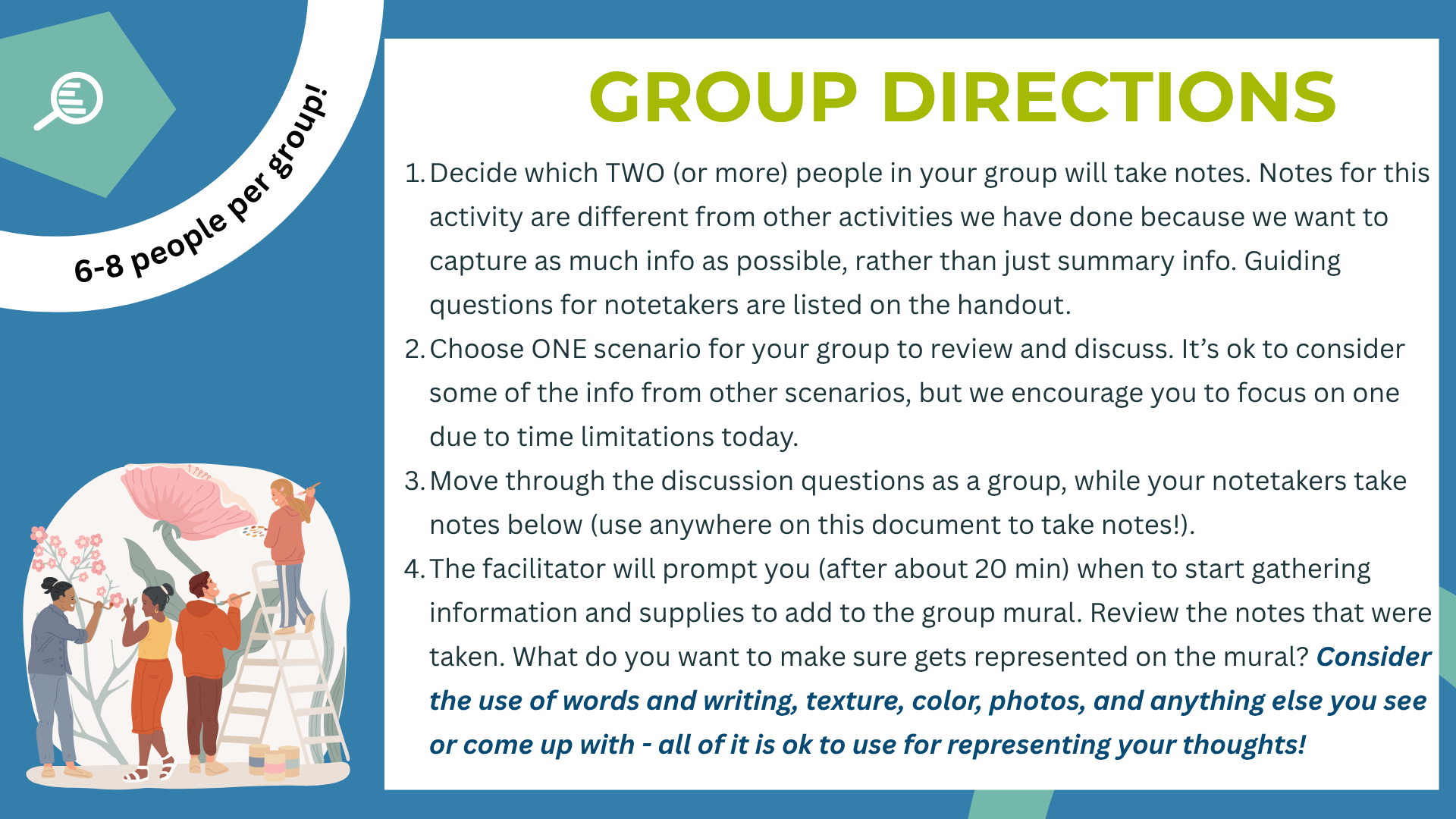
Participants were divided into groups to analyze specific scenarios of young people navigating postsecondary pathways. Groups were organized by role, with postsecondary navigators forming one group and other practitioners forming two additional groups. Each group selected one scenario to discuss in depth, with designated note-takers capturing not just ideas but also group dynamics, questions that arose, competing information, and areas where the group felt stuck.
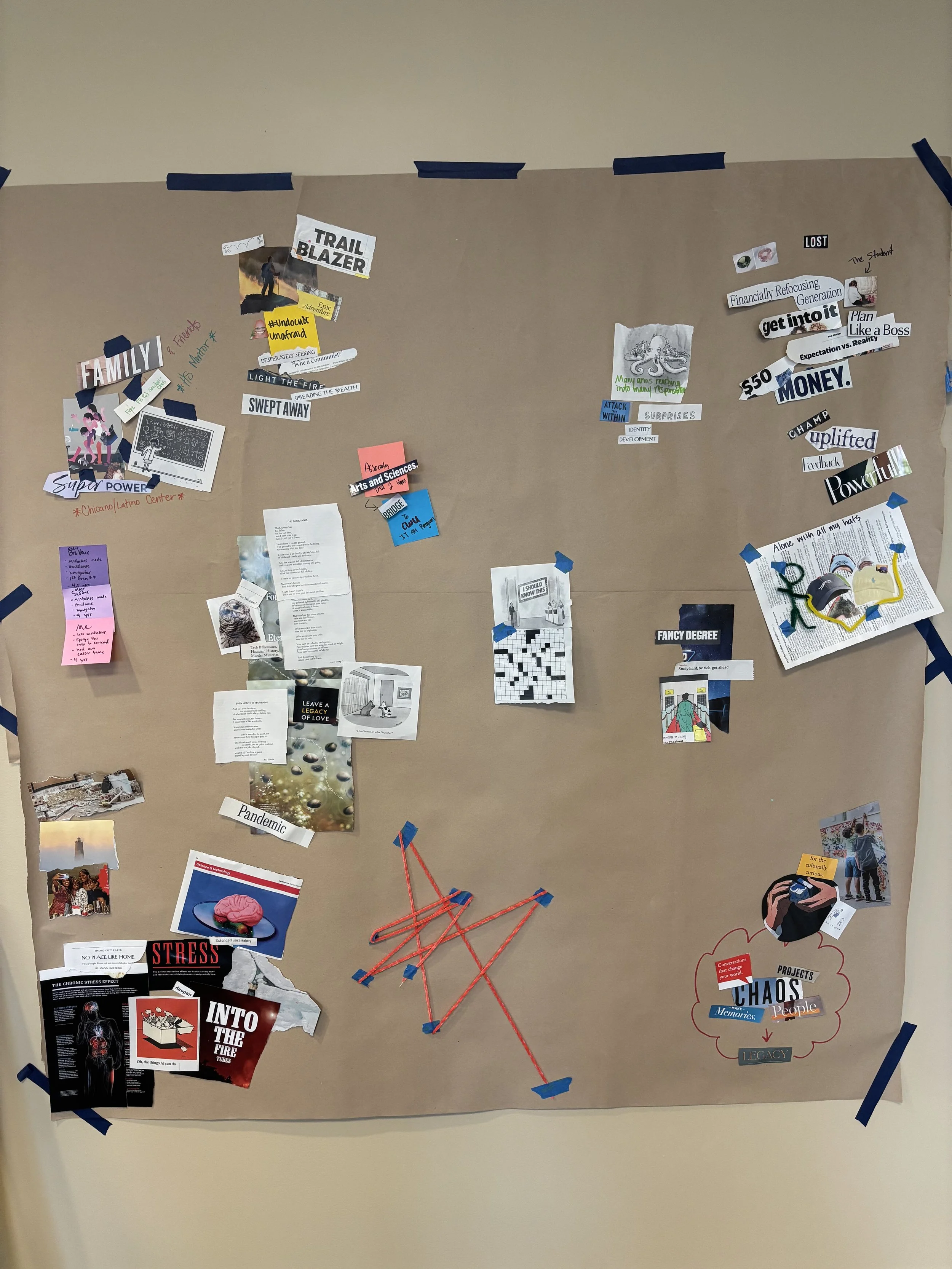
⭐️ We plan to take a closer look at the themes that emerged from this activity and report back and follow-up as necessary at our May Network Meeting.
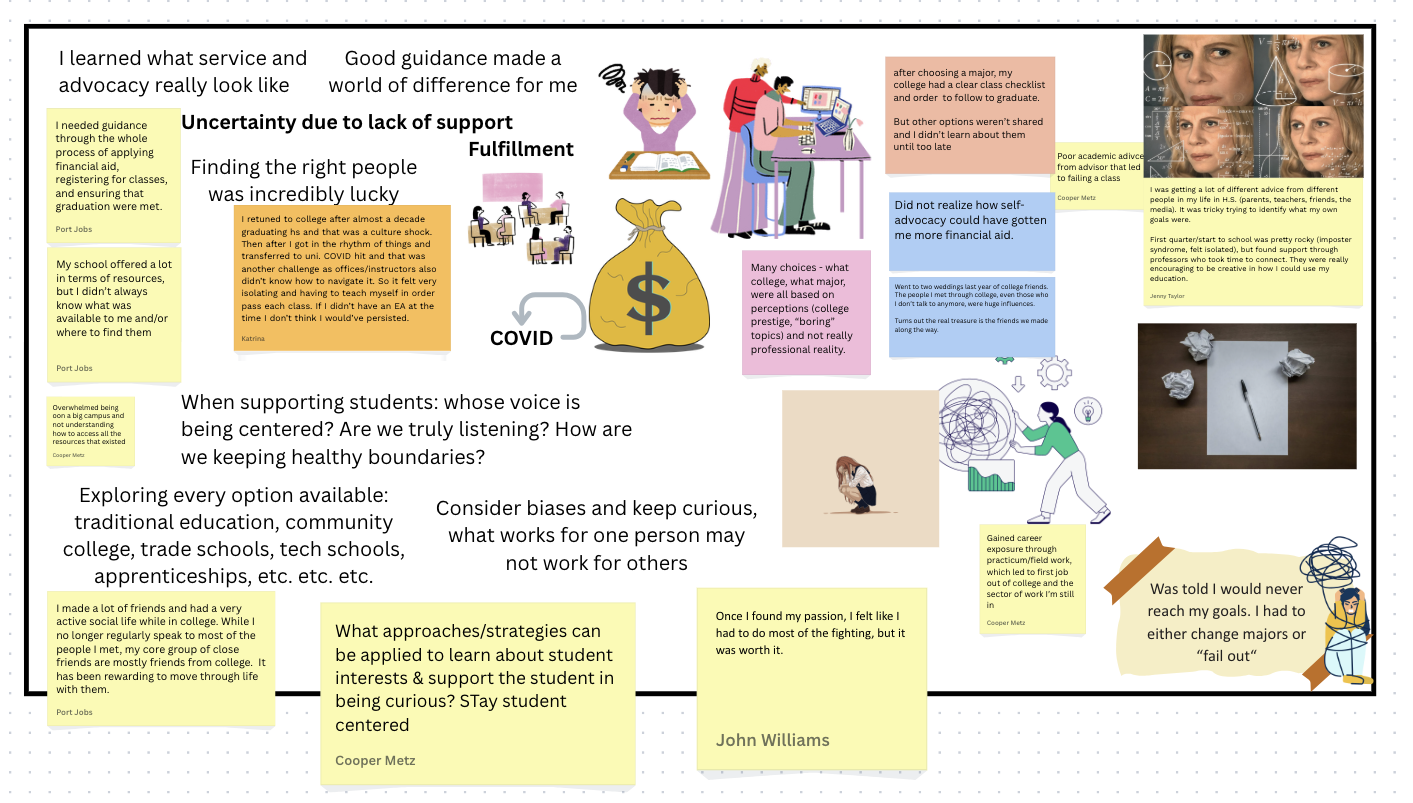
Core Issues Discussed & Emerging Themes
Capacity Building — Equip trusted adults with accessible resources and myth-busting tools so they can support youth without needing to be postsecondary experts.
Financial Aid Education — Address widespread misconceptions through shared, consistent resources across programs.
Messaging to Marginalized Communities — Communicate more clearly that postsecondary options are flexible and available to all, including undocumented students — countering the pressure to "pick a lane" that lower-income students disproportionately face.
System Flexibility — Advocate for postsecondary systems that allow students to explore, change programs, and enroll part-time without losing support — and expand career exploration (job shadowing, internships) earlier at the K–12 level.
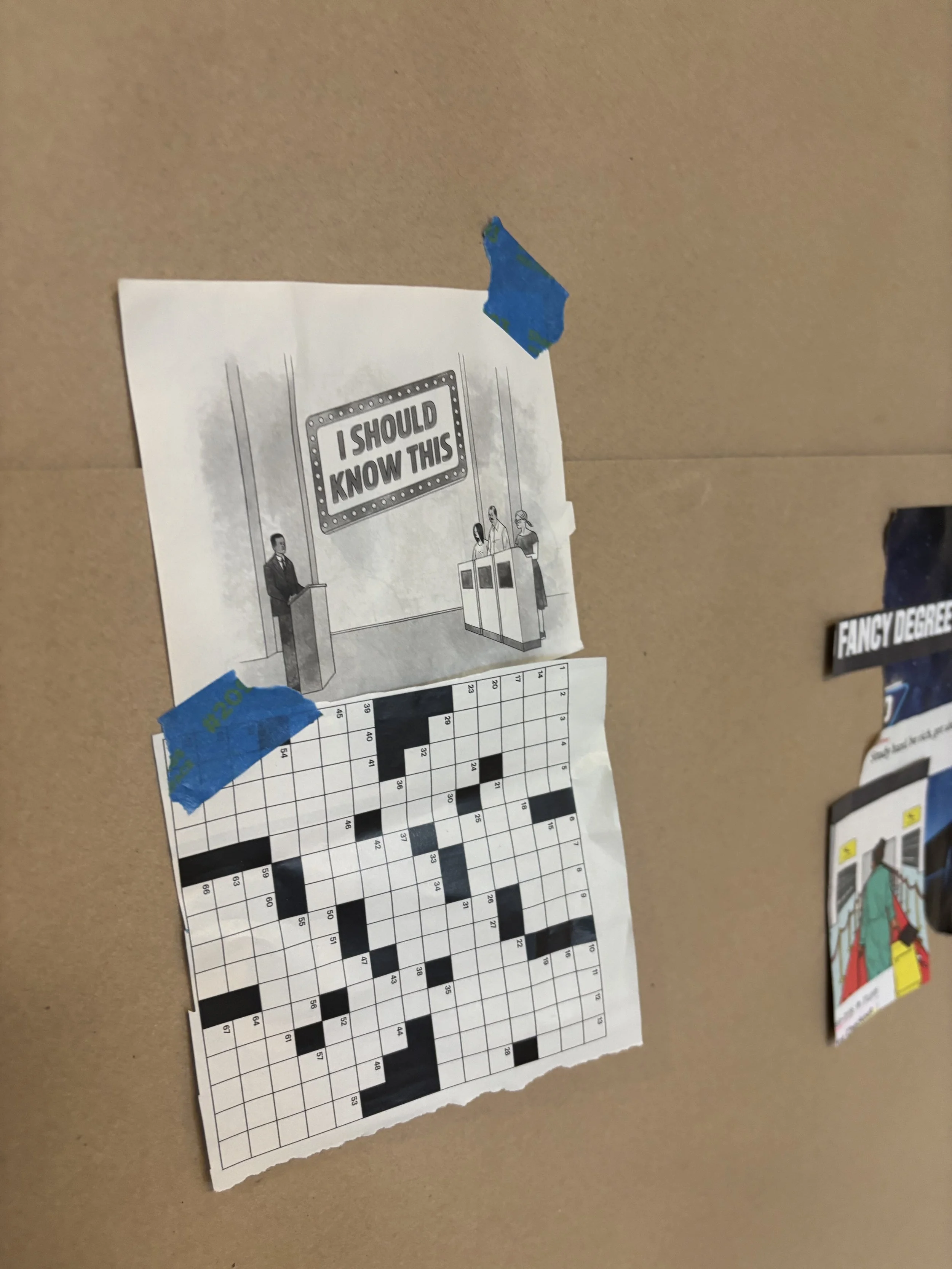
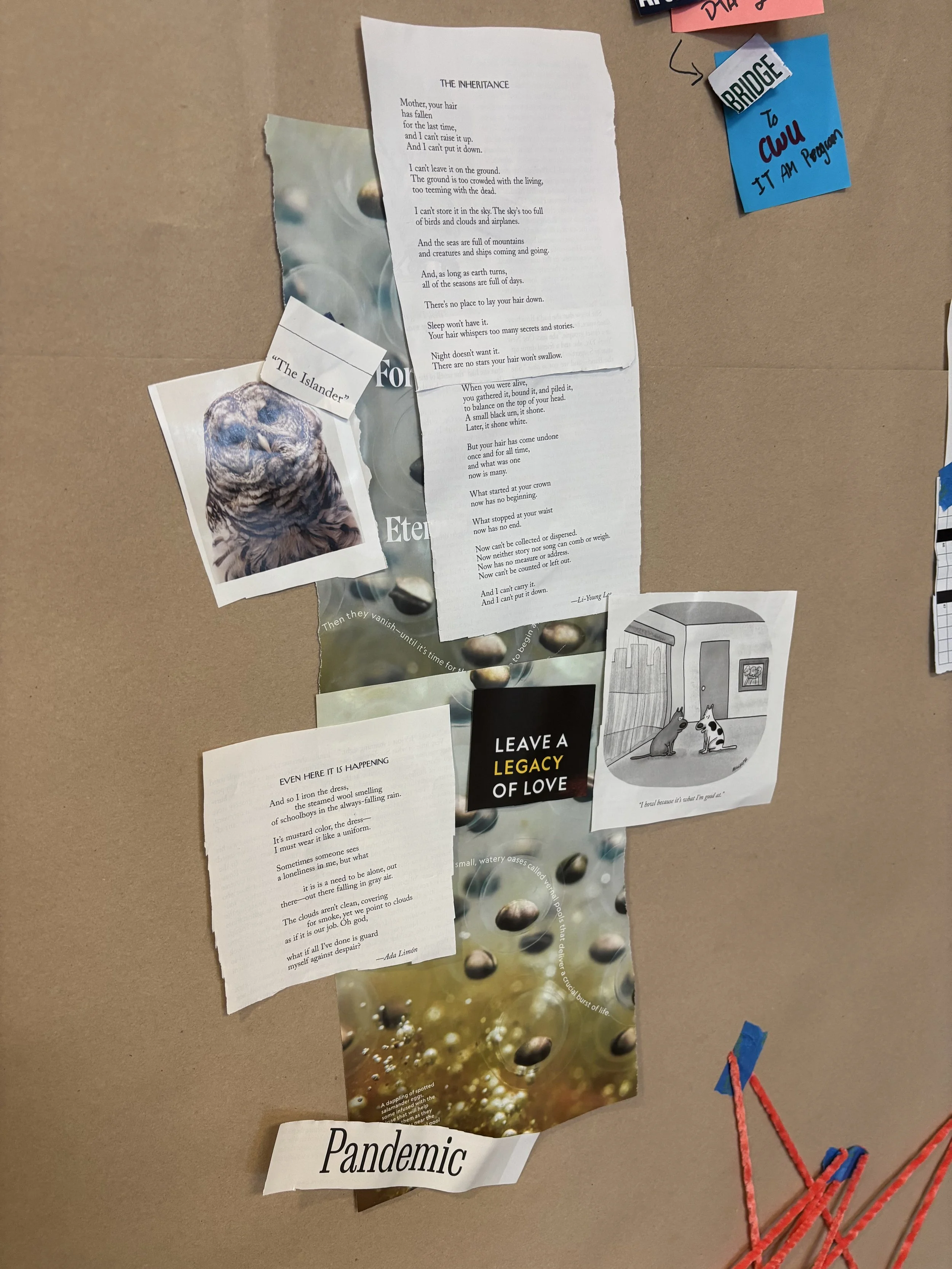
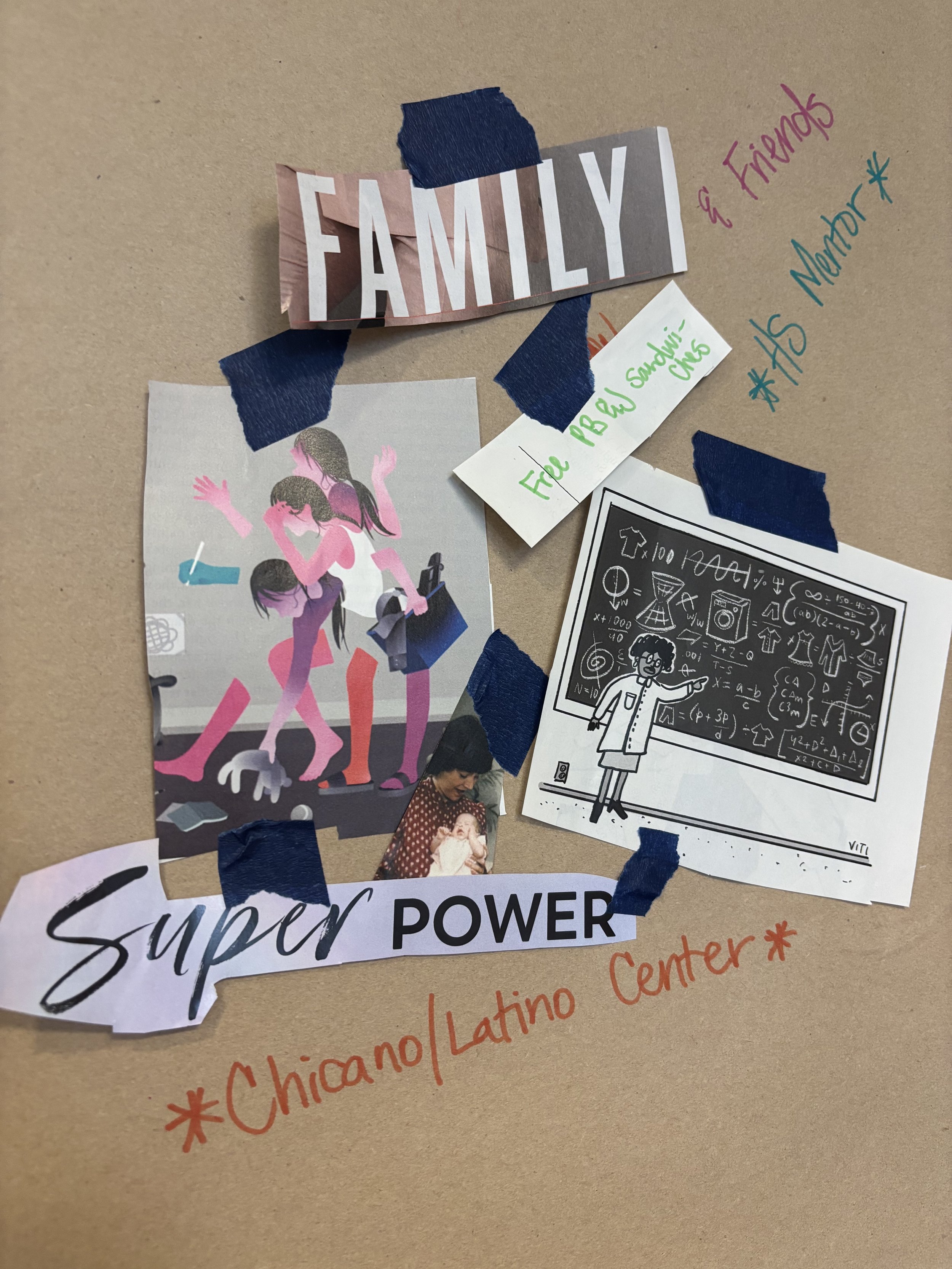
Below, view images of the visual activity from both in-person and online participants.
Important Questions Raised:
How do we support students transitioning from high school to postsecondary when traditional support systems (college counselors, College Success Foundation) have been reduced or eliminated?
What role does financial aid complexity play in preventing students from accessing or completing postsecondary programs?
How can we build capacity among trusted adults and community members who may not have technical expertise but want to support young people in their postsecondary goals?
What is the connection between career exploration opportunities and postsecondary enrollment and completion?
How do we address the stigma and pressure around career choices, particularly for students from marginalized communities?
What messaging are we sending to marginalized communities about their postsecondary options and flexibility?
Next Steps / Opportunities for Collaboration TO FOLLOW UP ON
Capacity building — Develop toolkits and myth-busting resources for trusted adults who support youth but aren't postsecondary experts
Financial aid education — Create shared presentations and resources with accurate, consistent information across programs
Messaging campaign — Louder outreach to marginalized and undocumented communities about available postsecondary support and flexibility
Advocacy for system flexibility — Push for policies that allow exploration, program changes, and part-time enrollment without loss of support
Career exploration integration — Expand job shadowing, internships, and work-based learning at the K–12 level
Participants interested in joining action/workgroups on specific issues were encouraged to reach out to the team
