
Starting with Belonging: November Network Meeting Recap
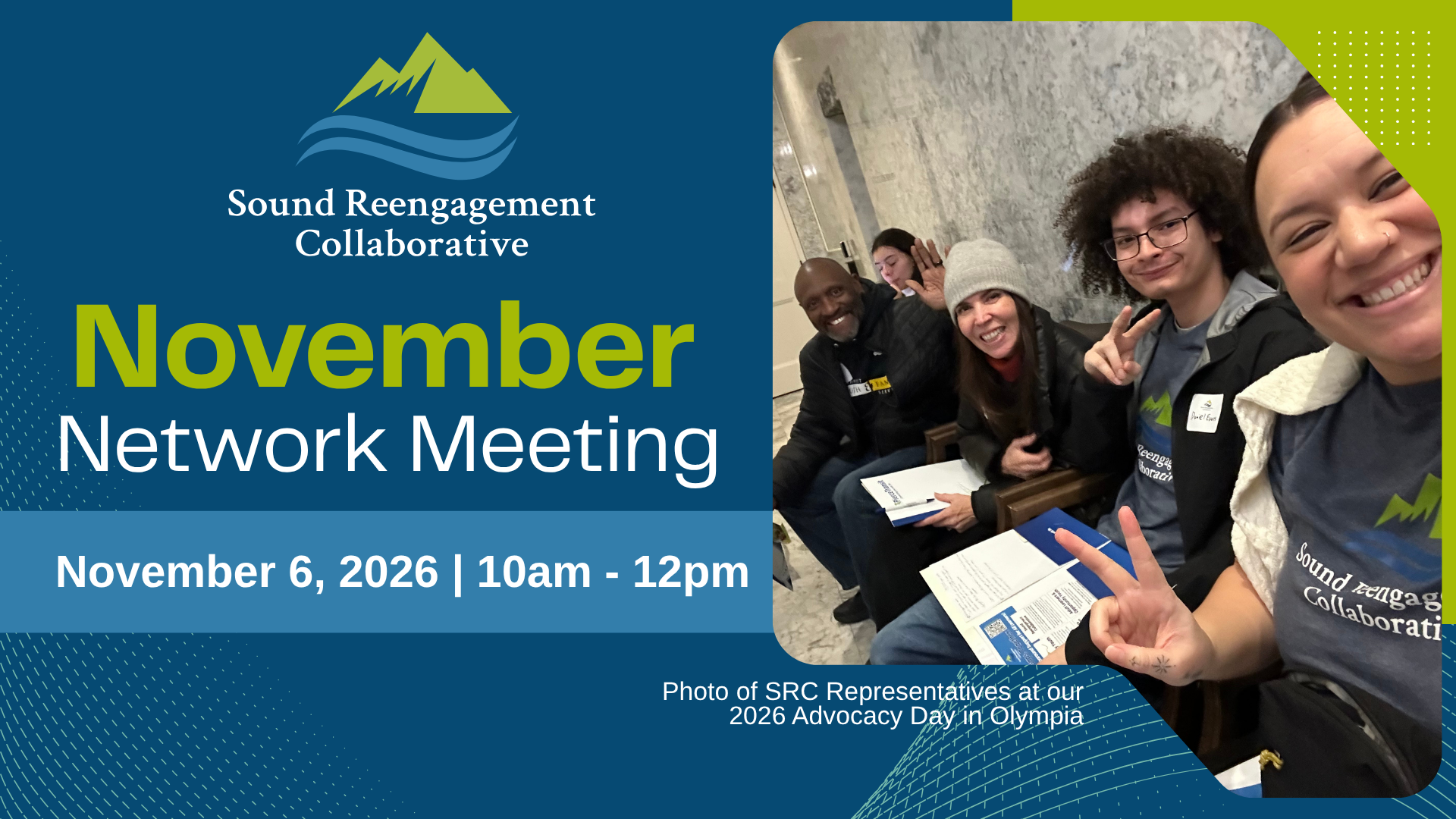
On Friday, November 6, 2026, the Sound Reengagement Collaborative (SRC) gathered at Bates Technical College's downtown Tacoma campus and online. Our theme was belonging: what it looks like, who makes it happen, and how culture-centered practice can reshape the way we reengage young people.
SRC Updates
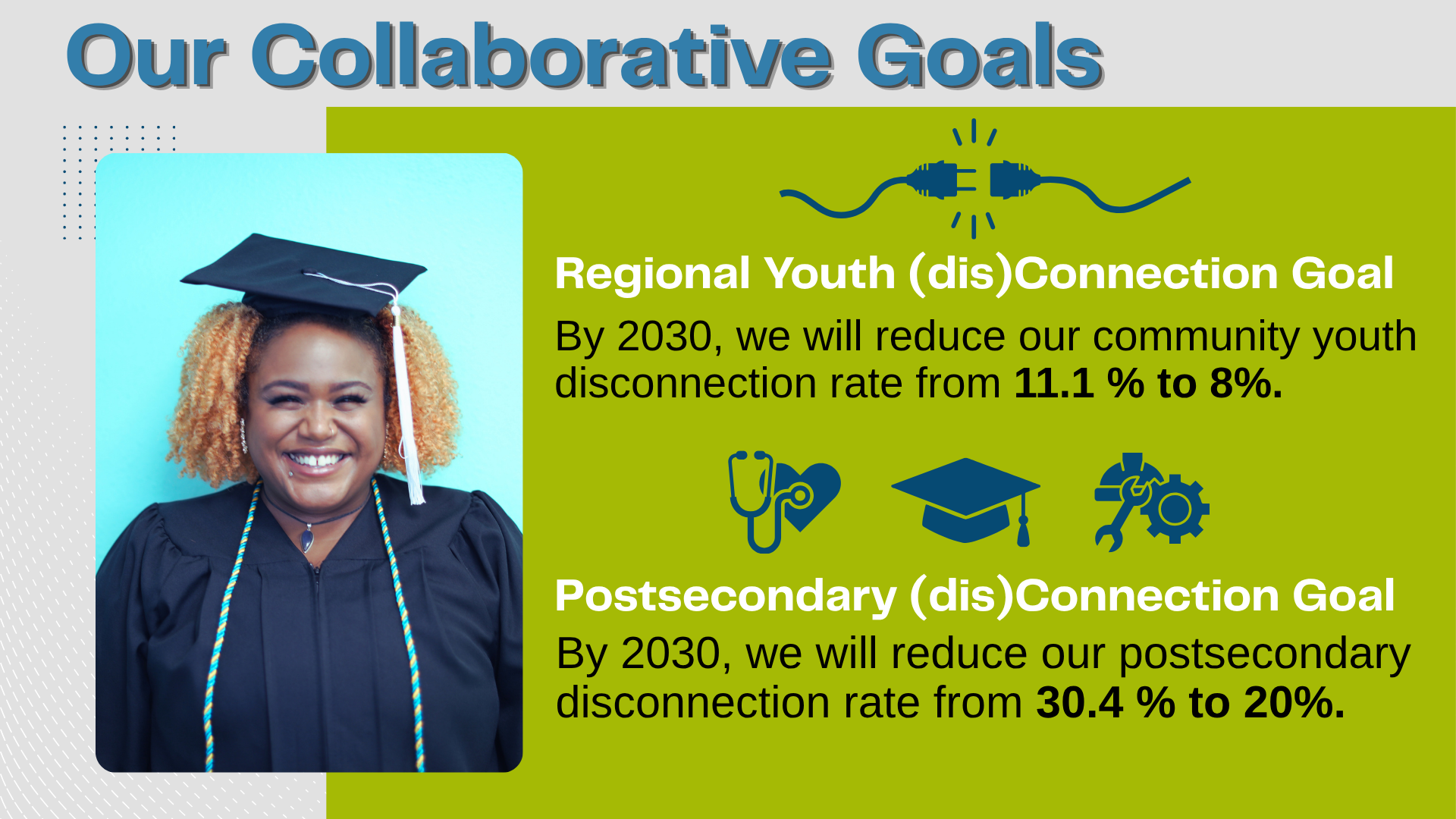
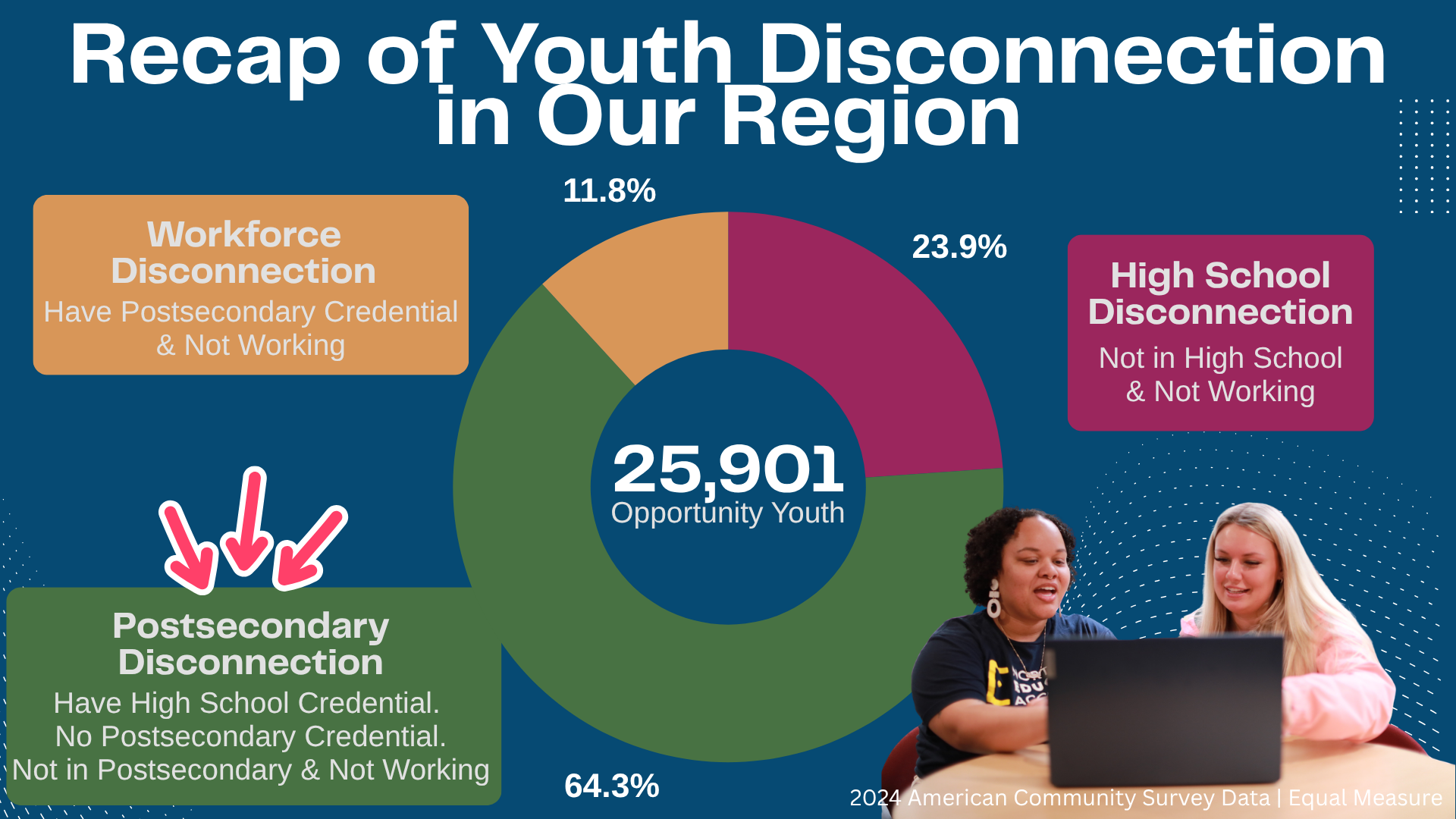
Where disconnection shows up in our region. Nearly 26,000 young people (25,901) across King and Pierce counties are disconnected from school and work. About two-thirds of them (64.3%) already hold a high school credential but are not enrolled in postsecondary education or working. Another 23.9% are not in high school and not working, and 11.8% hold a postsecondary credential but are not working. Hotspots include Federal Way in South King County and Parkland/Spanaway in Pierce County. (Source: 2024 American Community Survey data, Equal Measure.)
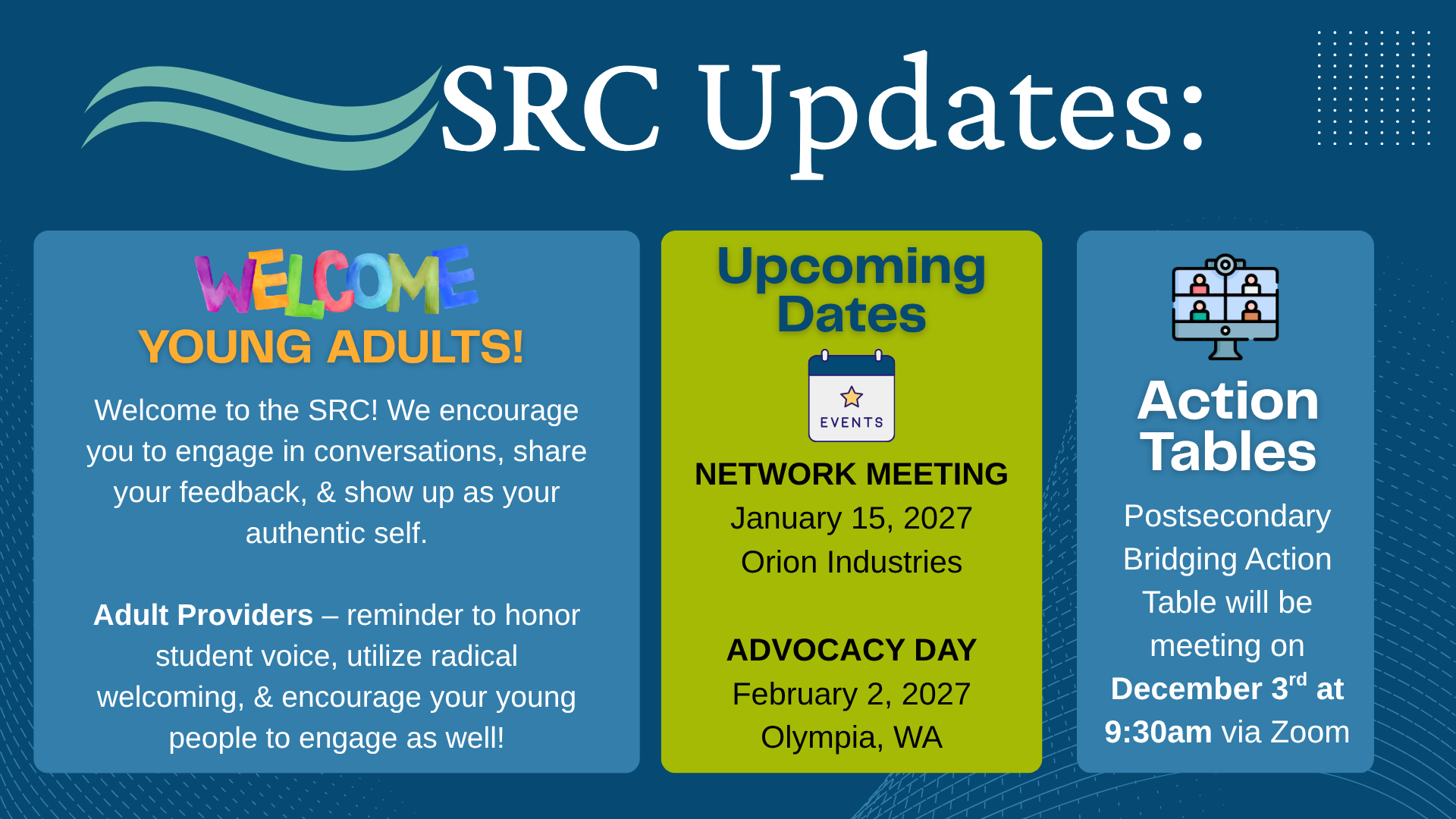
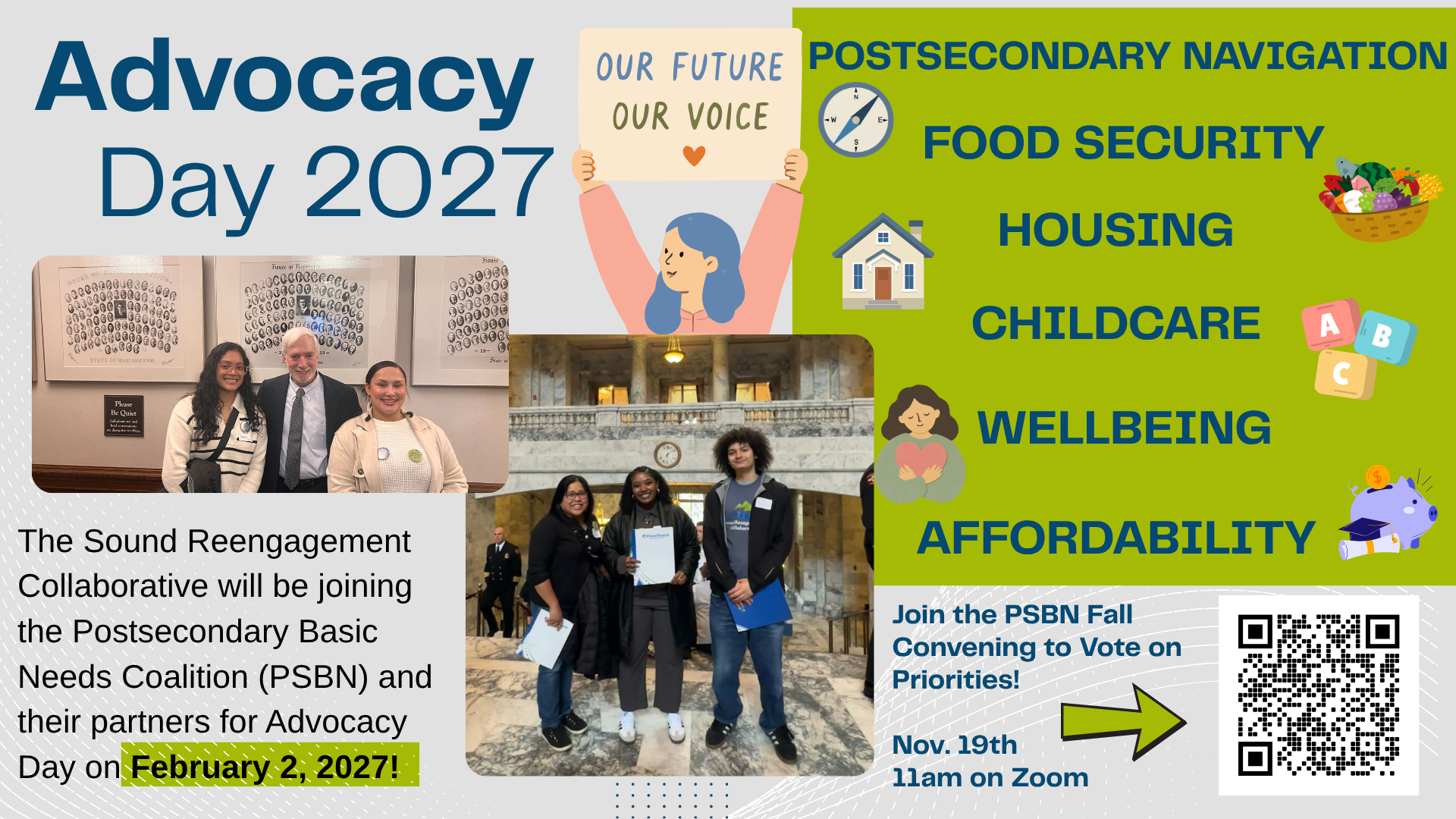
Advocacy Day 2027. On February 2, 2027, the SRC will join the Postsecondary Basic Needs Coalition (PSBN) and partners in Olympia. Priority areas include postsecondary navigation, food security, housing, childcare, wellbeing, and affordability. Young people are invited and will be compensated for their participation. Join the PSBN Fall Convening on November 19 at 11 a.m. on Zoom to vote on priorities.
Stay connected. Add your organization to the SRC Member & Program Directory, follow us on LinkedIn, and send events and announcements to src@nweducationaccess.org to be shared in the newsletter.
Postsecondary Bridging Action Table
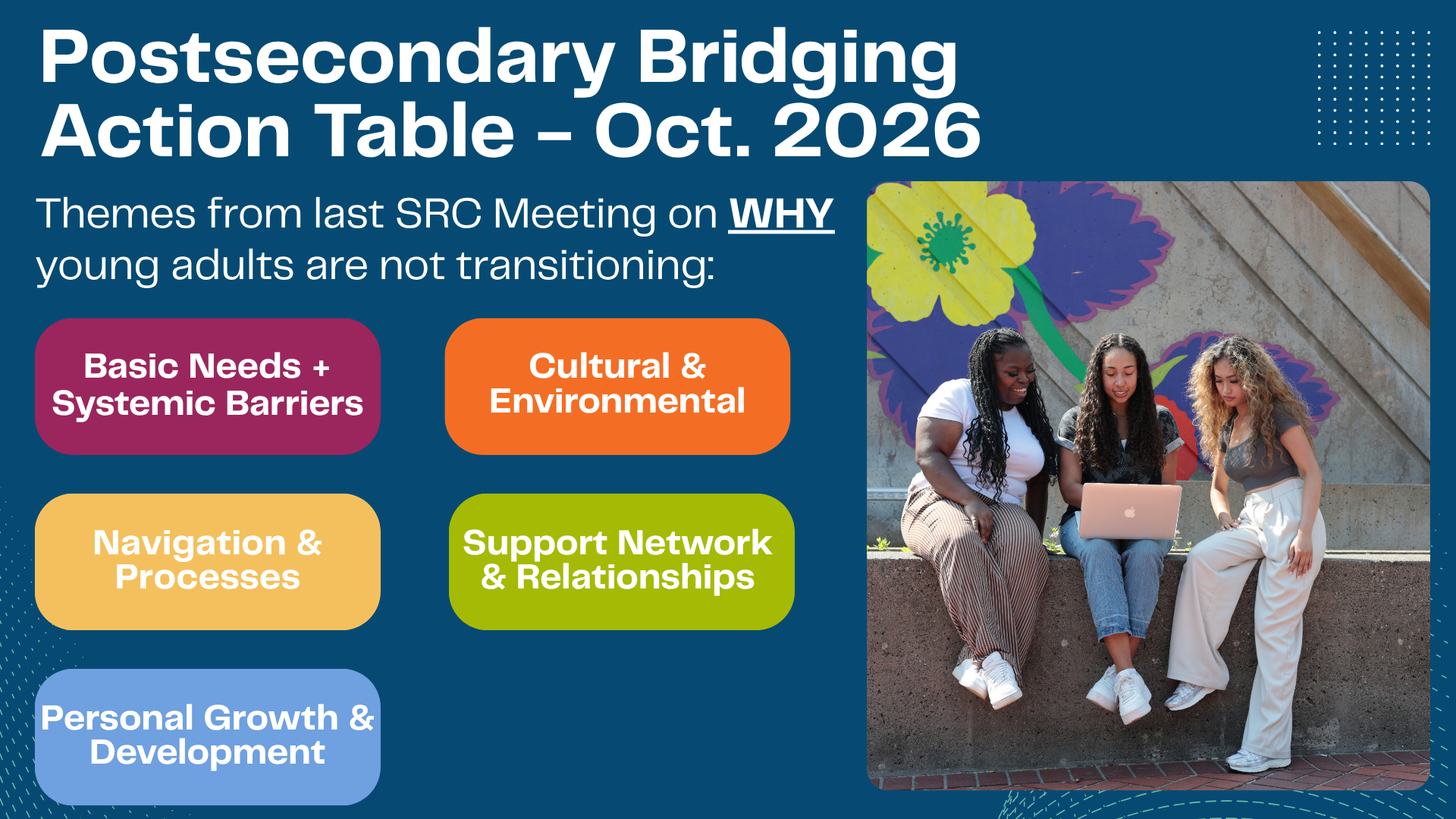
Our new Postsecondary Bridging Action Table held its first meeting in October 2026. It builds on themes from our September network meeting about why young adults are not transitioning to postsecondary education: basic needs and systemic barriers, cultural and environmental factors, navigation and enrollment processes, support networks and relationships, and personal growth and development.
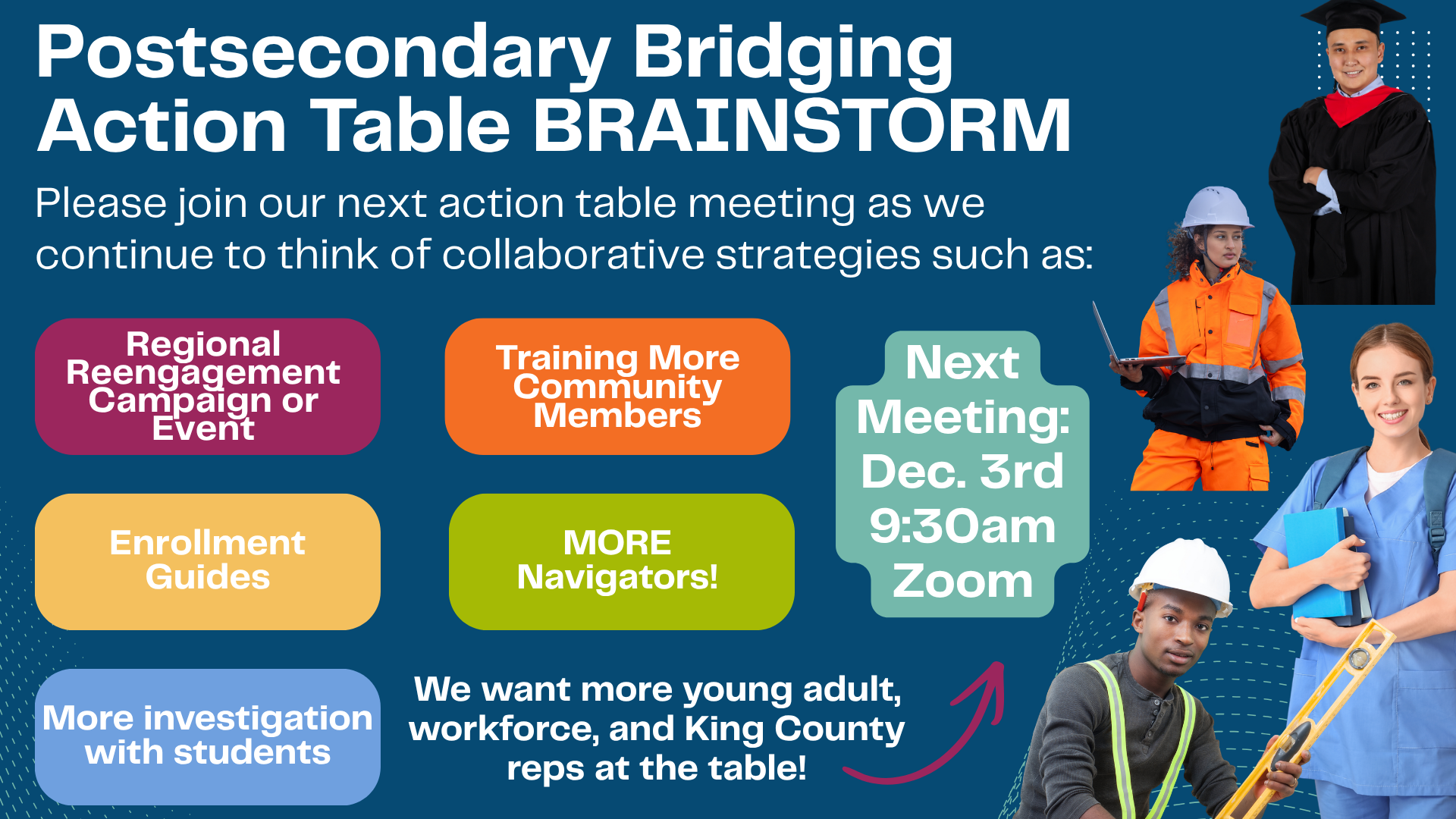
The table has begun brainstorming collaborative strategies, including:
A regional reengagement campaign or event
Training more community members as mentors
Tailored enrollment guides
More navigators
Deeper investigation with students
Join us. We want more young adults, workforce partners, and King County representatives at the table.
The next meeting is December 3 at 9:30 a.m. on Zoom. You can add event to your calendar below.
Add event to calendar


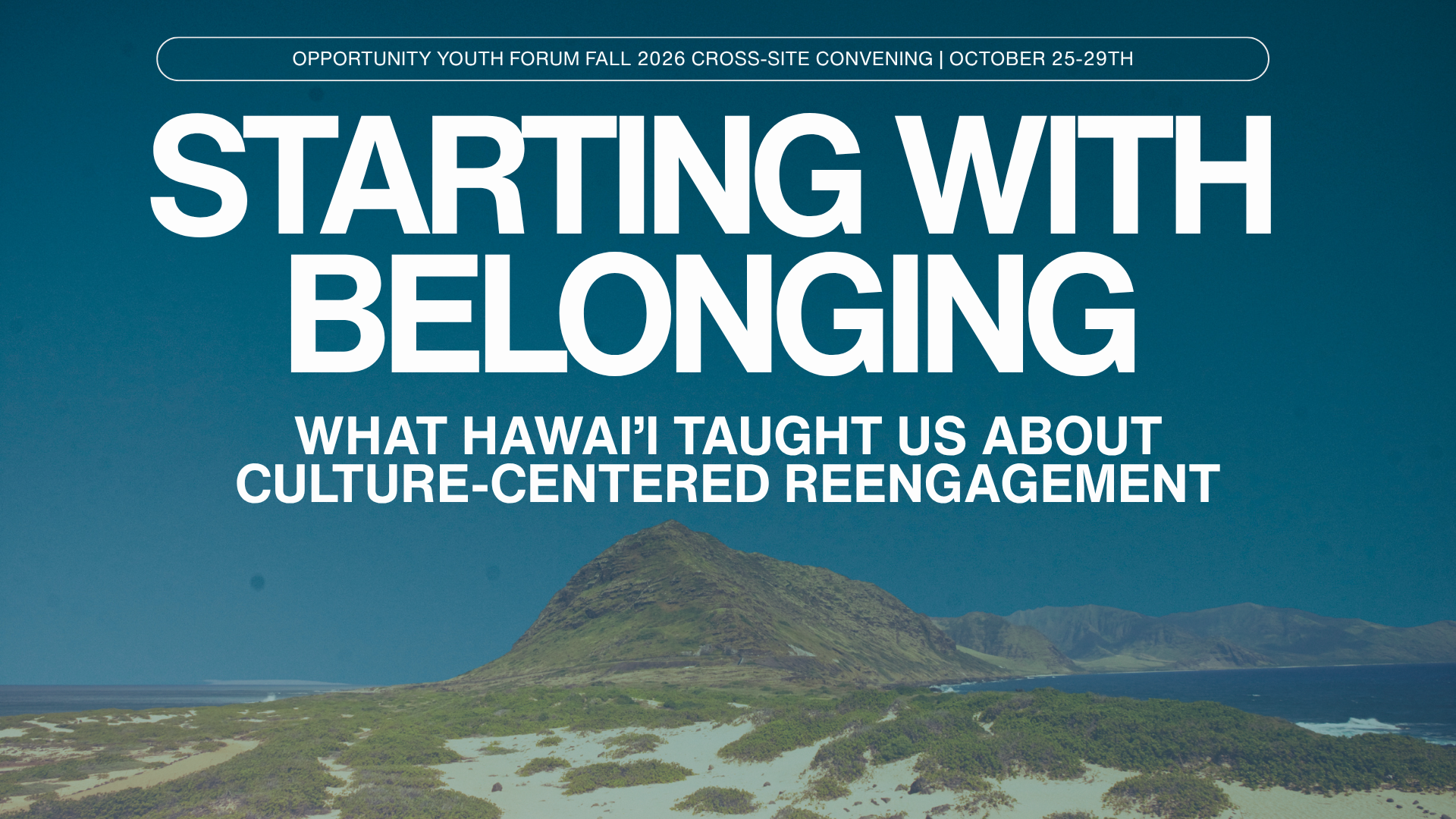
Starting with Belonging: What Hawaiʻi Taught Us About Culture-Centered Reengagement
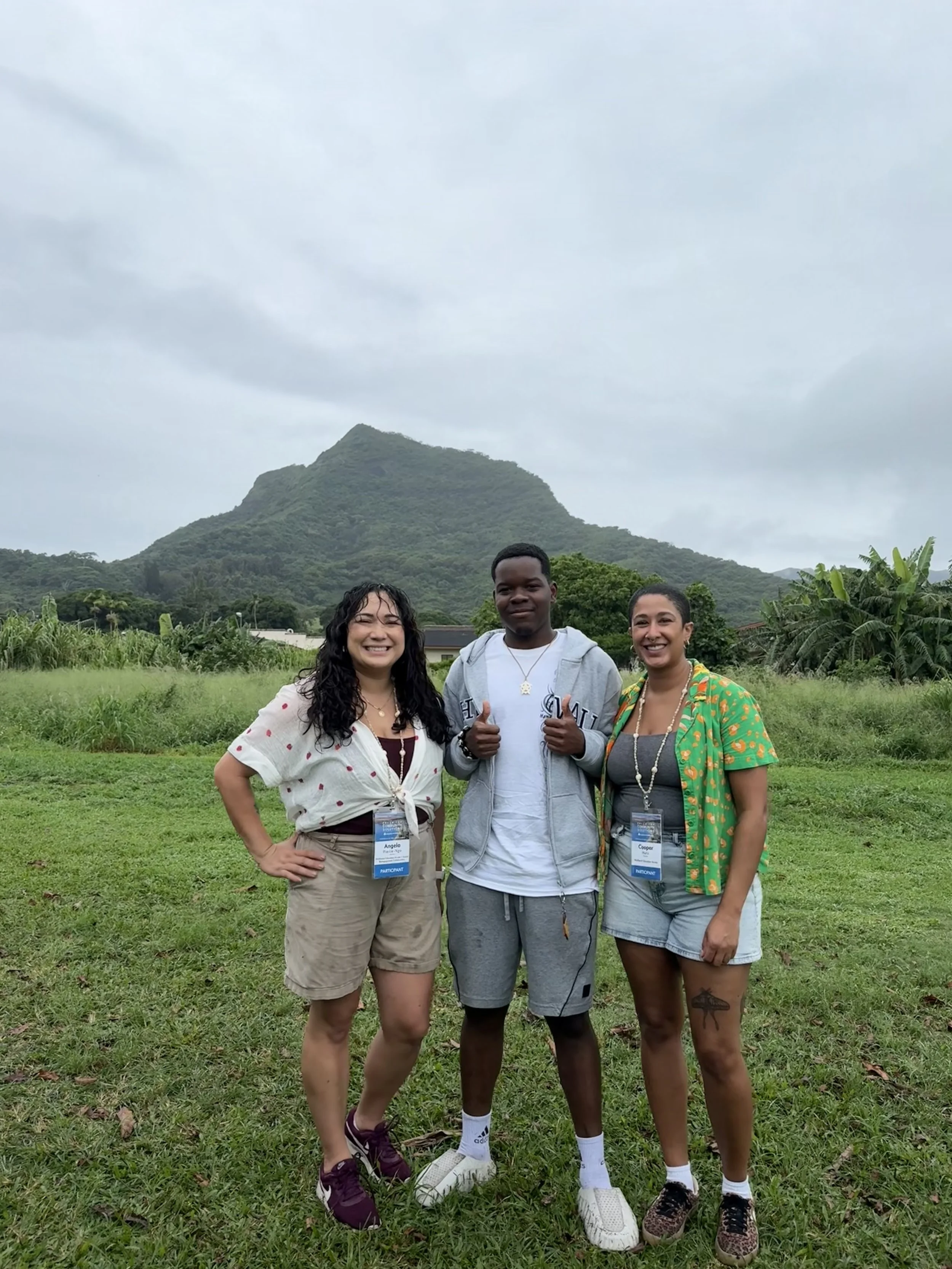
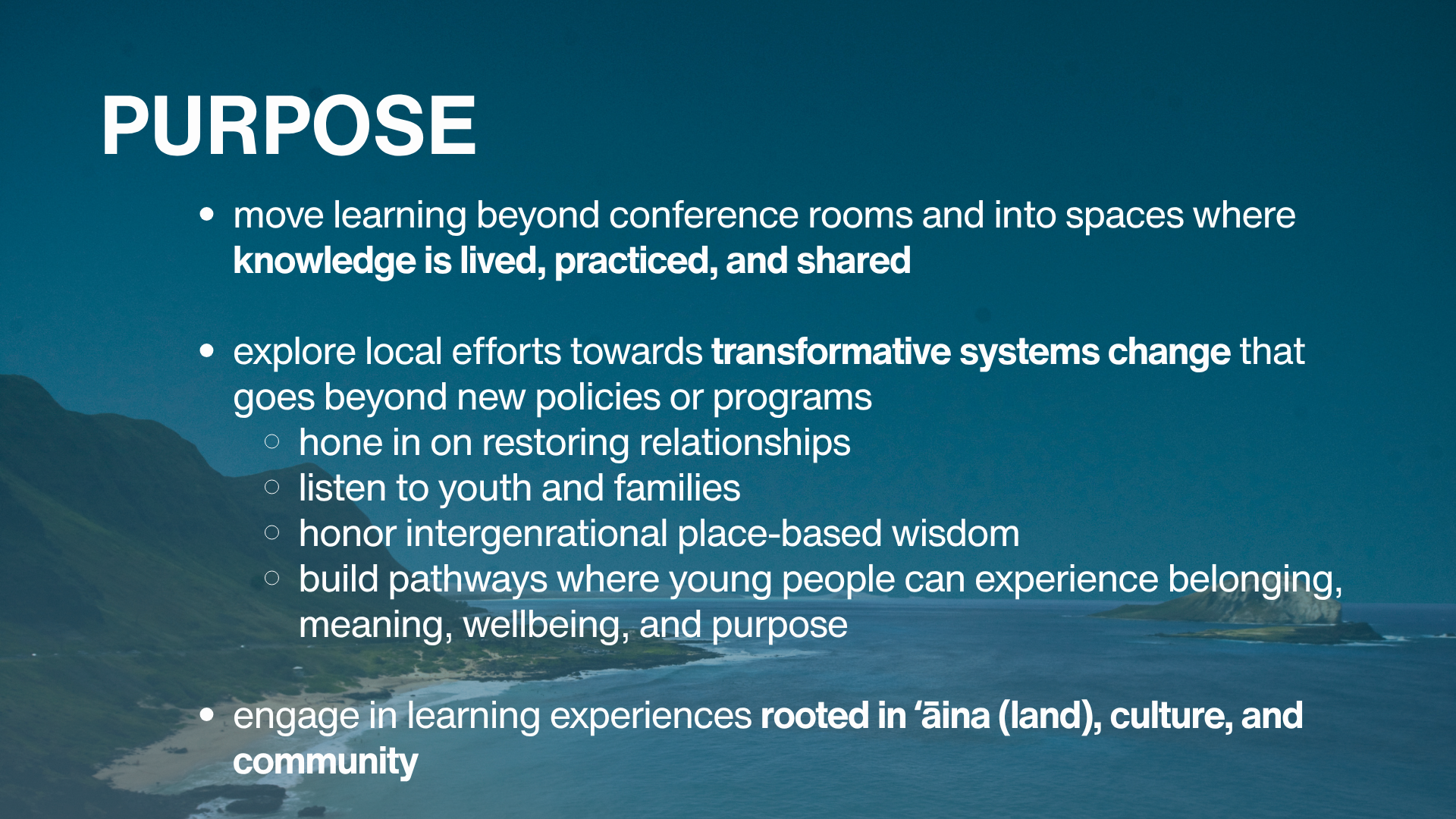
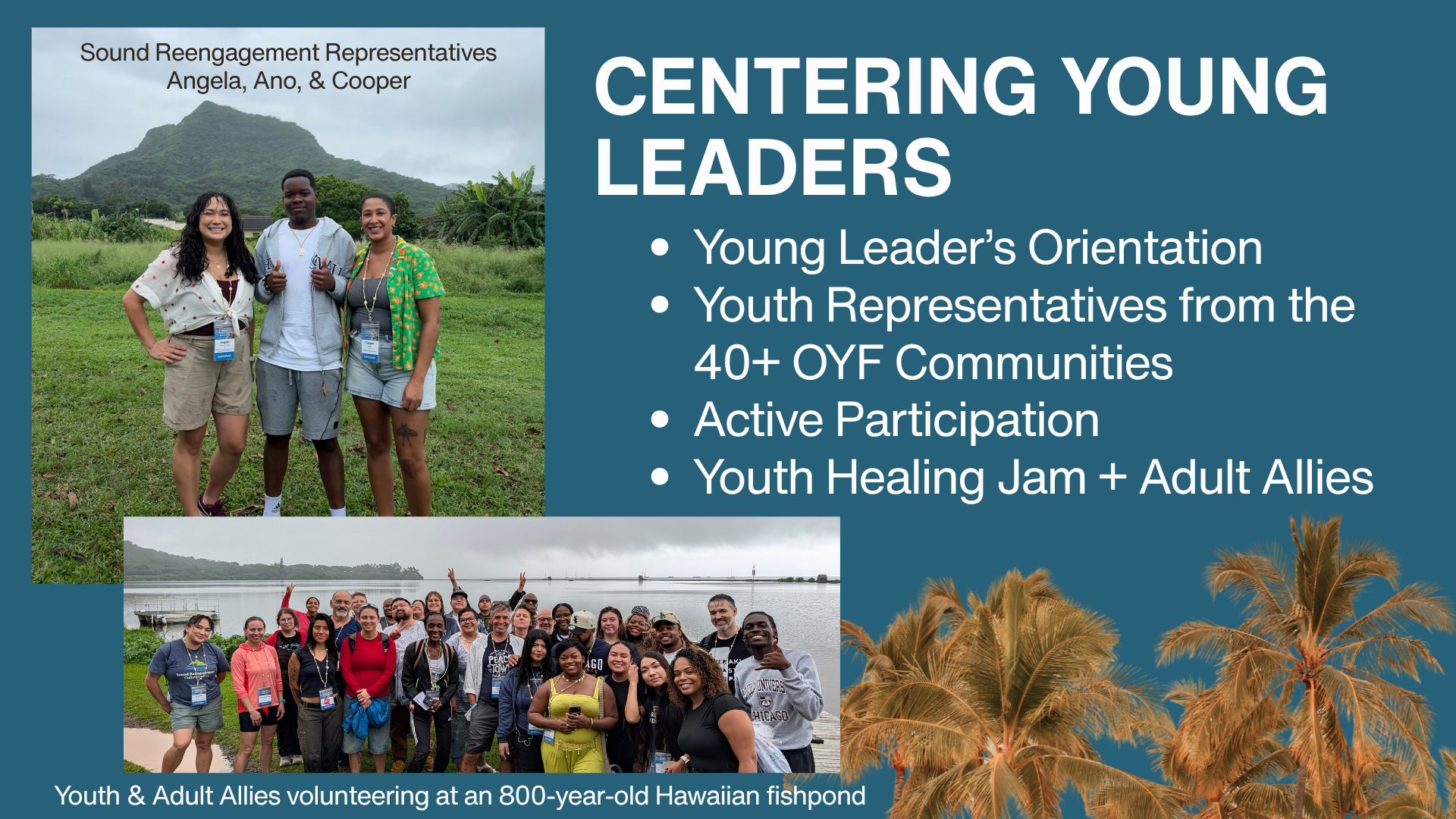
From October 25–29, SRC representatives Angela, Ano, and Cooper attended the Opportunity Youth Forum (OYF) Fall 2026 Cross-Site Convening in Hawaiʻi. OYF brings together more than 40 rural, urban, and tribal communities across the country. This convening moved learning beyond conference rooms and into spaces where knowledge is lived and practiced: restoring relationships, listening to youth and families, honoring intergenerational place-based wisdom, and learning rooted in ʻāina (land), culture, and community. Young leaders participated fully, including a Young Leaders Orientation and a Youth Healing Jam with adult allies, and volunteered together at an 800-year-old Hawaiian fishpond.
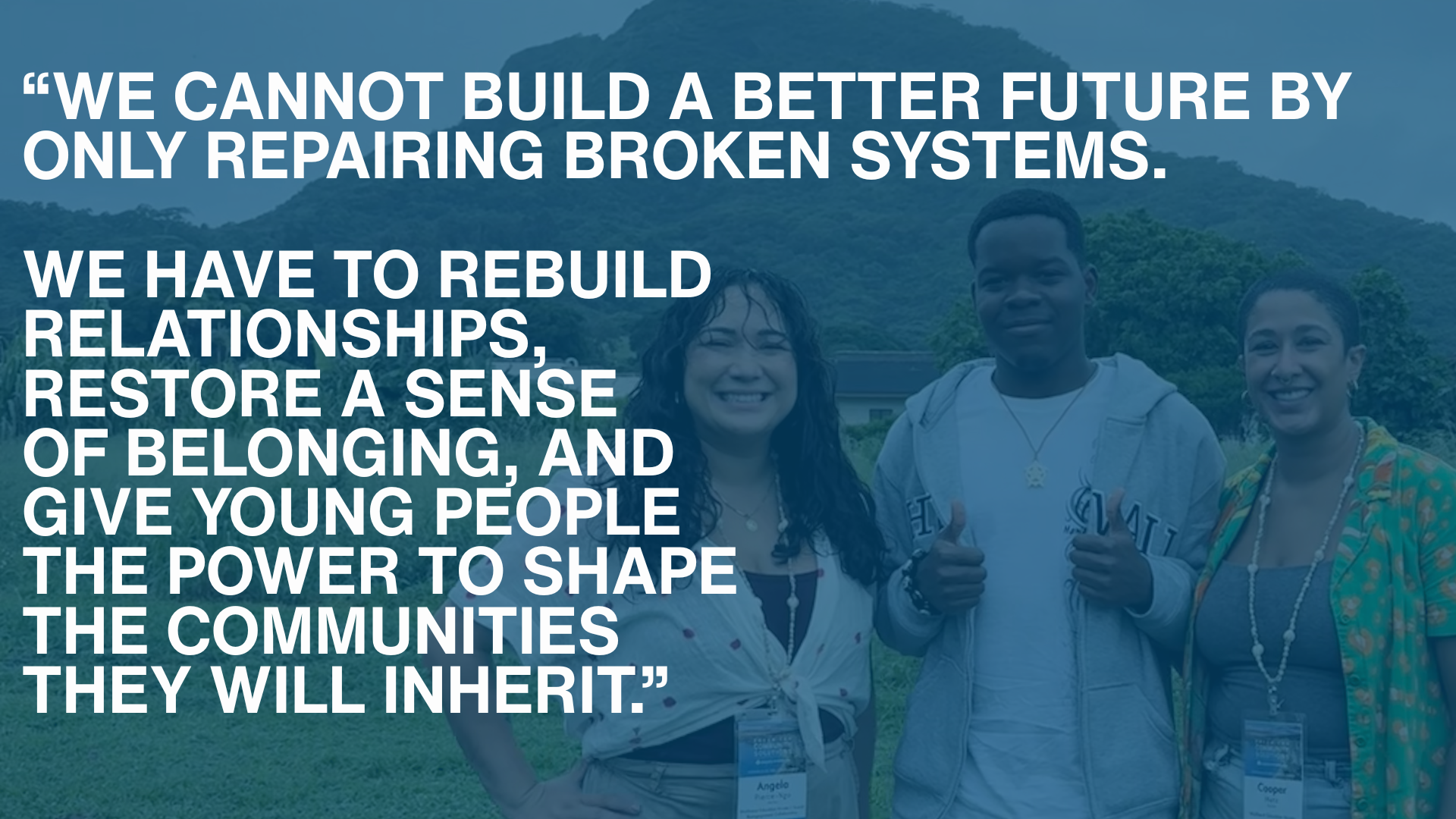
One quote shaped the whole experience:
"We cannot build a better future by only repairing broken systems. We have to rebuild relationships, restore a sense of belonging, and give young people the power to shape the communities they will inherit."
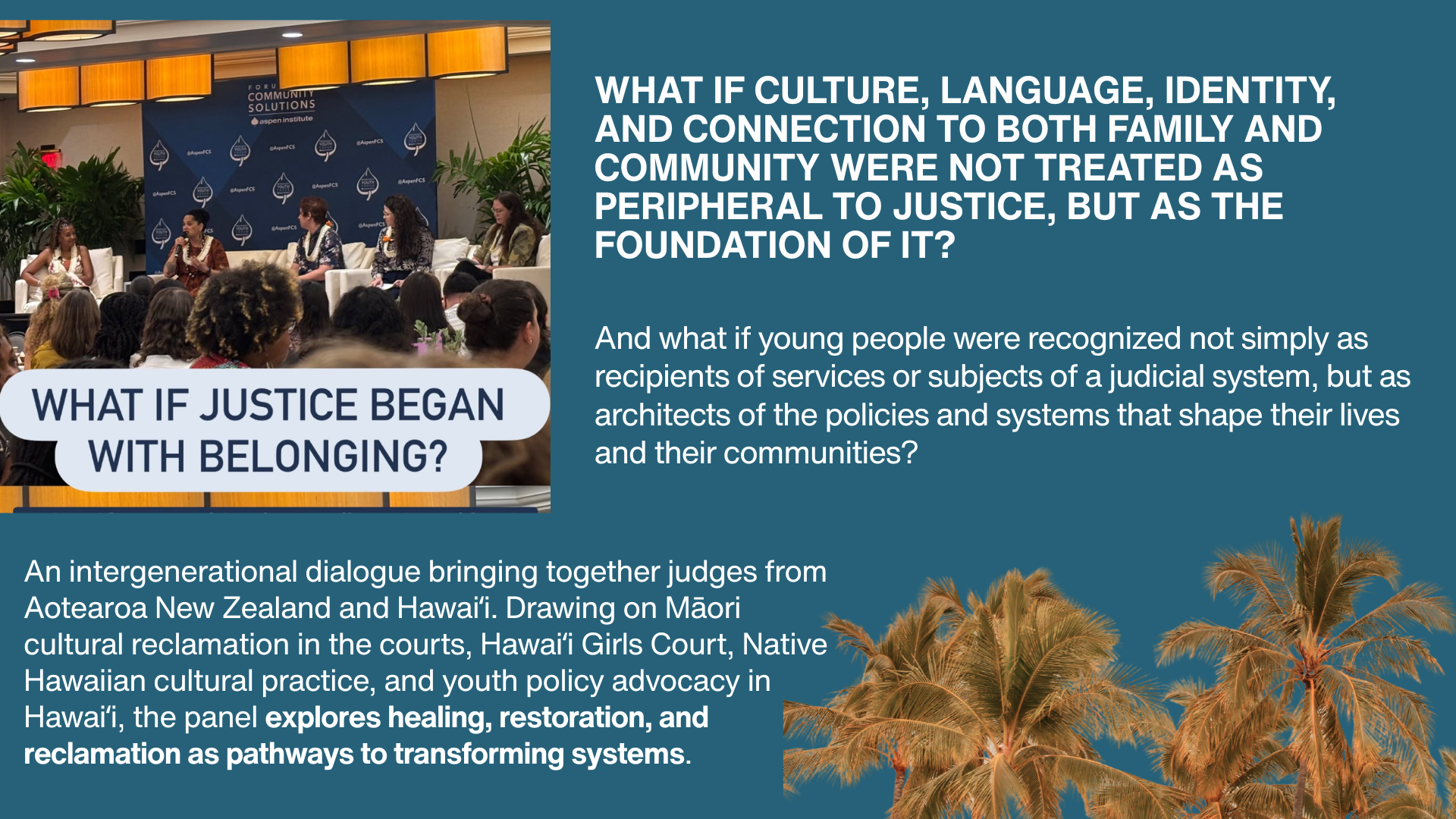
Justice rooted in culture. An intergenerational panel brought together judges from Aotearoa New Zealand and Hawaiʻi. They shared how Māori cultural reclamation has changed youth courts, including holding hearings in traditional Māori meeting houses, inviting families and victims into the conversation, and having judges switch seats with young people to hear their perspective. The panel asked: What if culture, language, identity, and connection to family and community were the foundation of justice, not peripheral to it?
Site visits. The group visited:
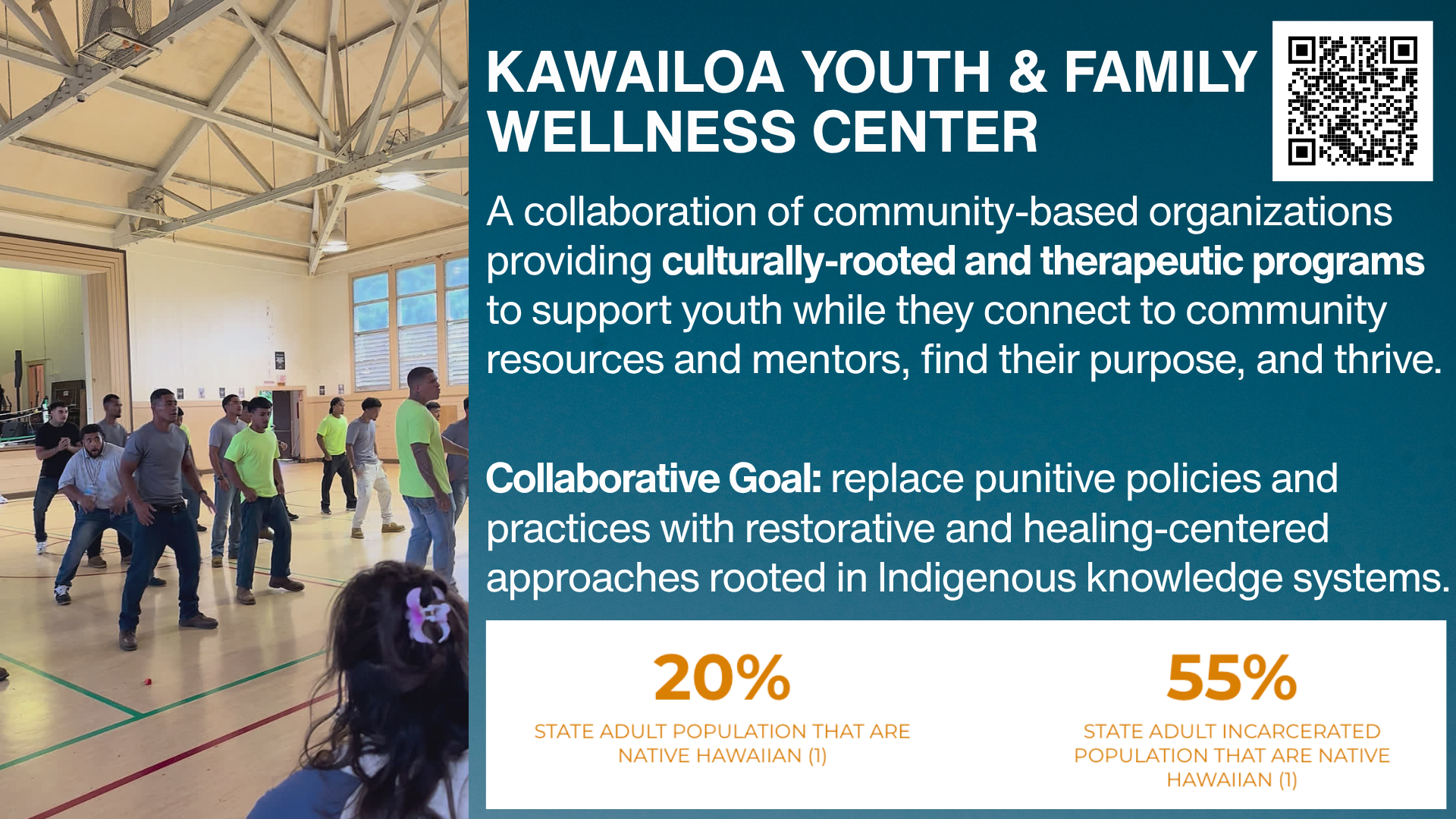
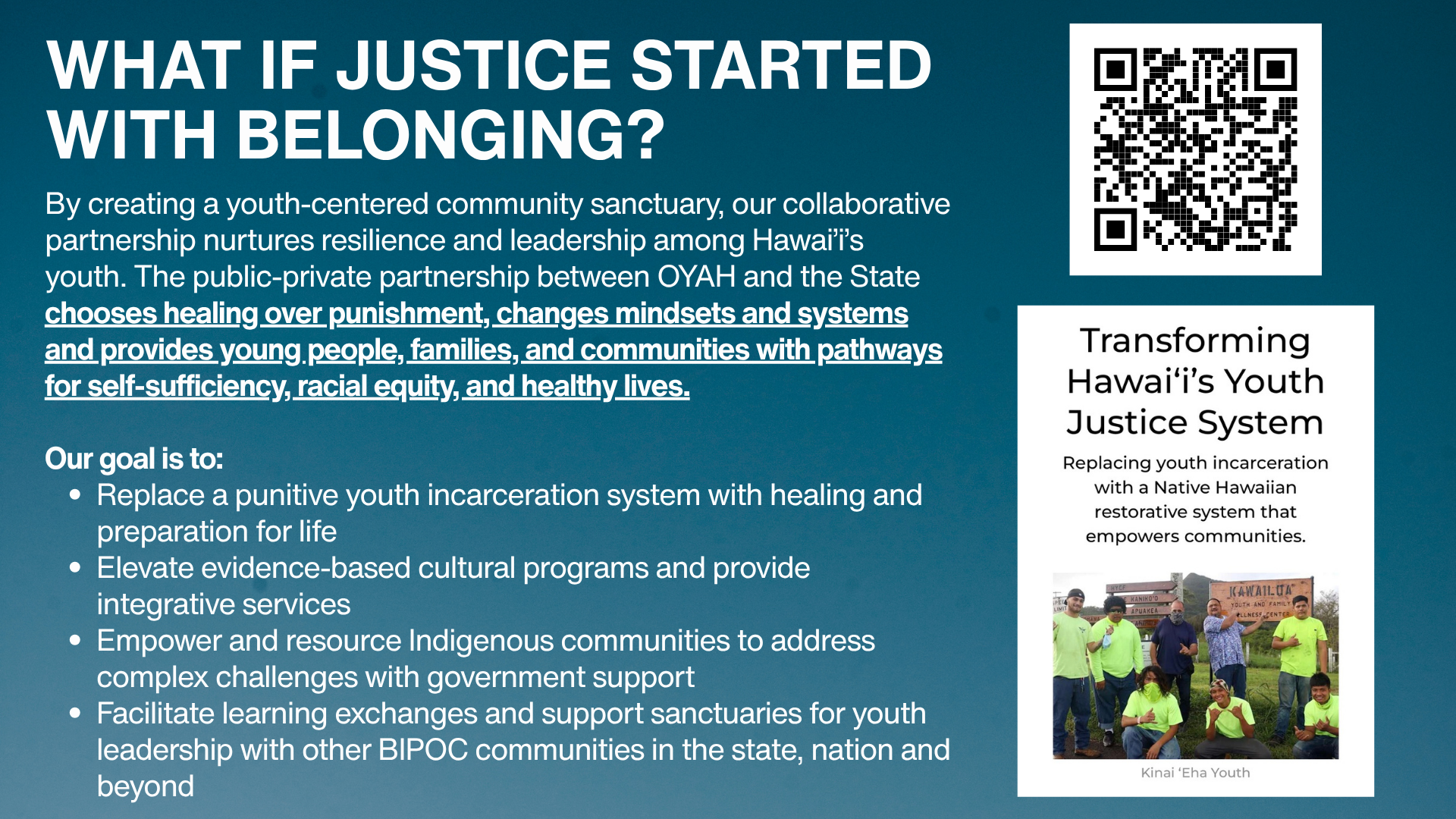
Kawailoa Youth & Family Wellness Center (Oʻahu): A collaboration of community-based organizations providing culturally rooted, therapeutic programs. Its goal is to replace punitive youth incarceration with restorative, healing-centered approaches rooted in Indigenous knowledge systems. Staff are called "auntie" and "uncle," and young people can access GED programs and training in welding, construction, and landscaping.
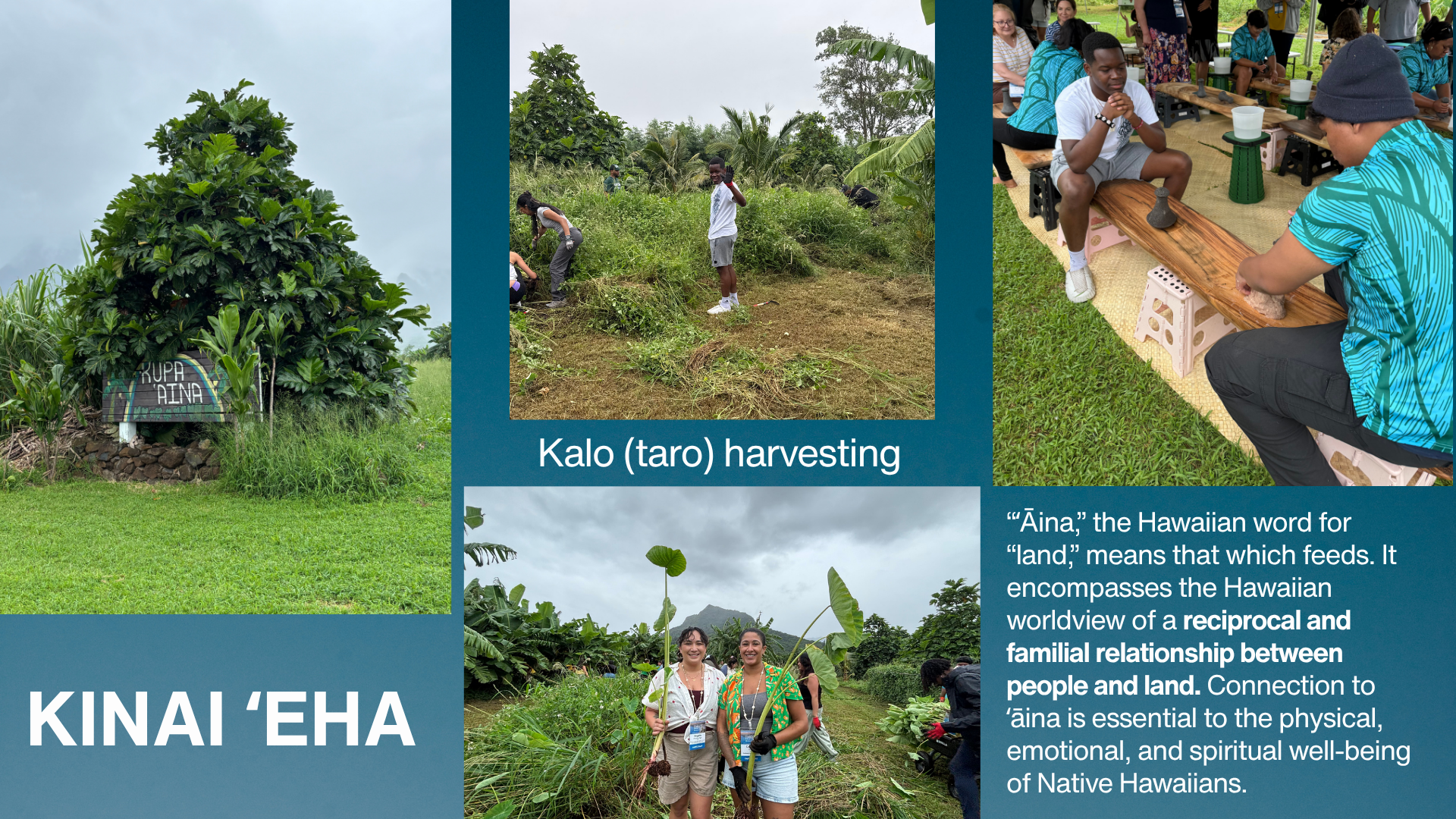
Kinai ʻEha: Land-based work including kalo (taro) harvesting, grounded in the Hawaiian understanding of ʻāina as "that which feeds" and a reciprocal, familial relationship between people and land.
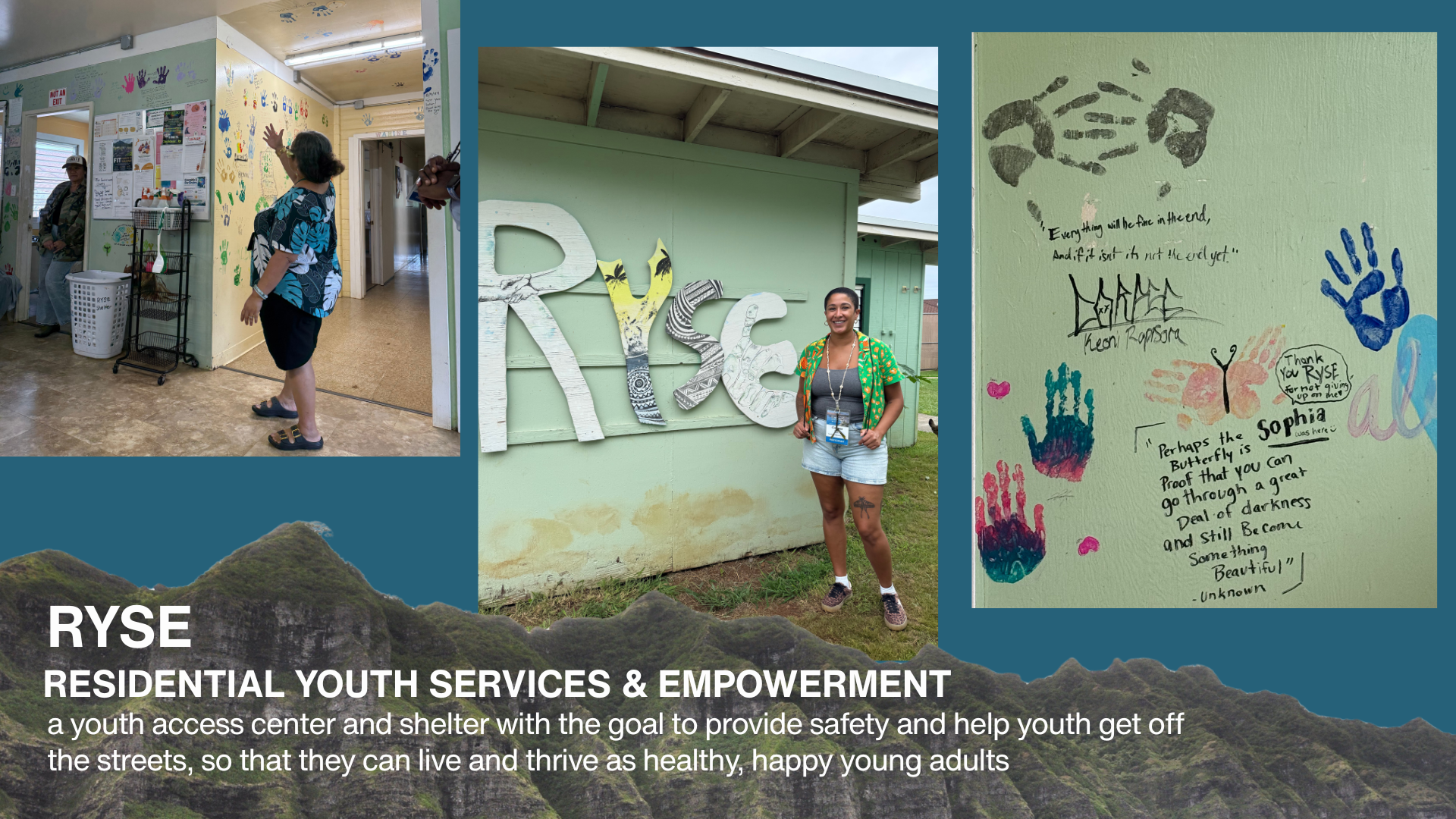
RYSE (Residential Youth Services & Empowerment): A youth access center and shelter helping young people get off the streets and thrive as healthy young adults. Young people leaving RYSE leave handprints and notes of encouragement for those who follow.
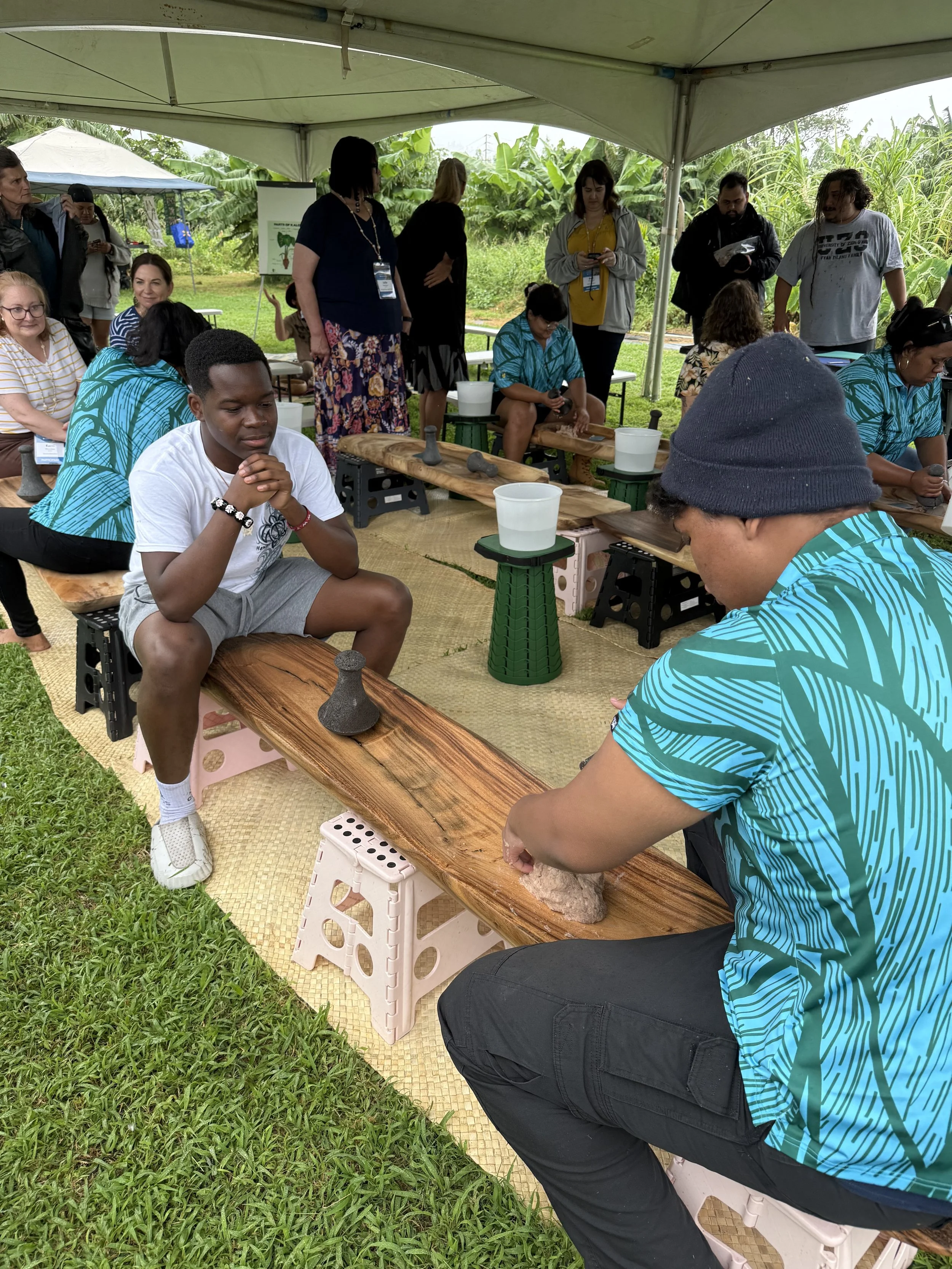
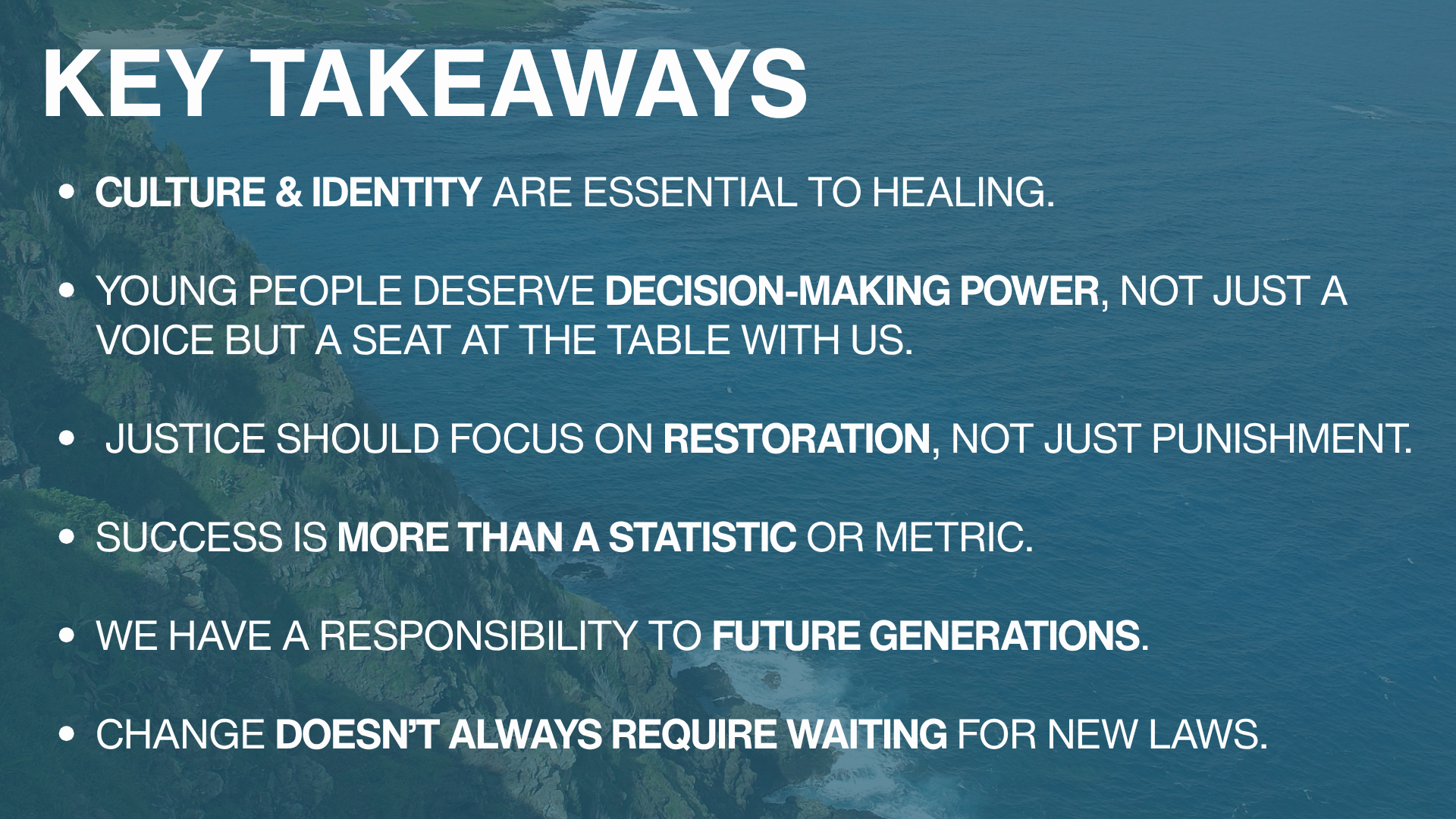
Key takeaways, shared by our youth representative, Ano:
Culture and identity are essential to healing.
Young people deserve decision-making power: not just a voice, but a seat at the table with us.
Justice should focus on restoration, not just punishment.
Success is more than a statistic or metric.
We have a responsibility to future generations.
Change doesn't always require waiting for new laws.
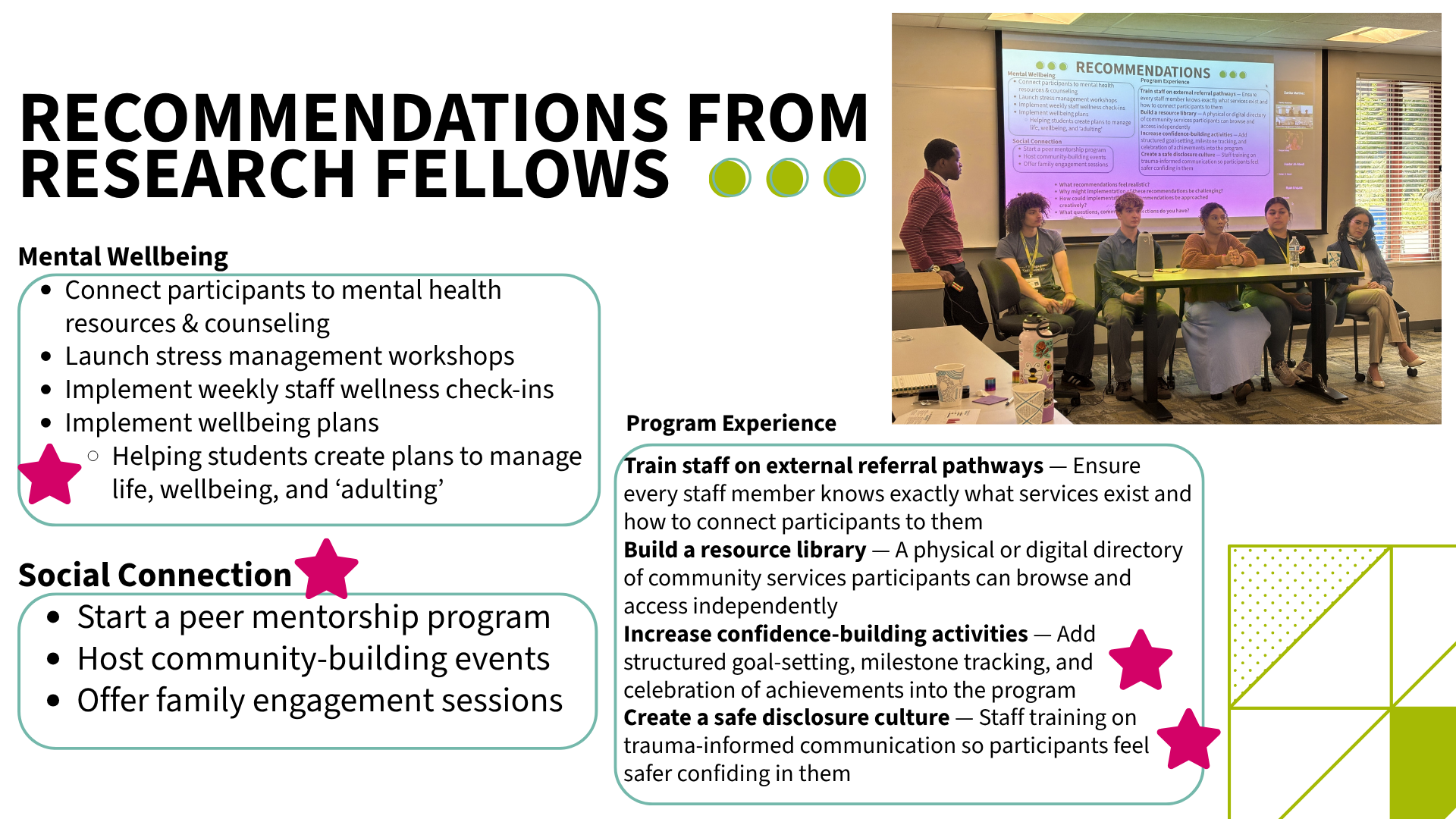
Connecting it back to our region. We revisited recommendations from SRC's Youth Research Fellows, shared earlier this year, which echo many of these lessons:
Mental wellbeing: Connect participants to counseling, launch stress management workshops, hold weekly staff wellness check-ins, and help students build wellbeing plans for managing life and "adulting."
Social connection: Start peer mentorship, host community-building events, and offer family engagement sessions.
Program experience: Train staff on referral pathways, build a resource library, add goal-setting and celebration of achievements, and train staff in trauma-informed communication so participants feel safe confiding in them.
Group Conversations: Deepening Belonging
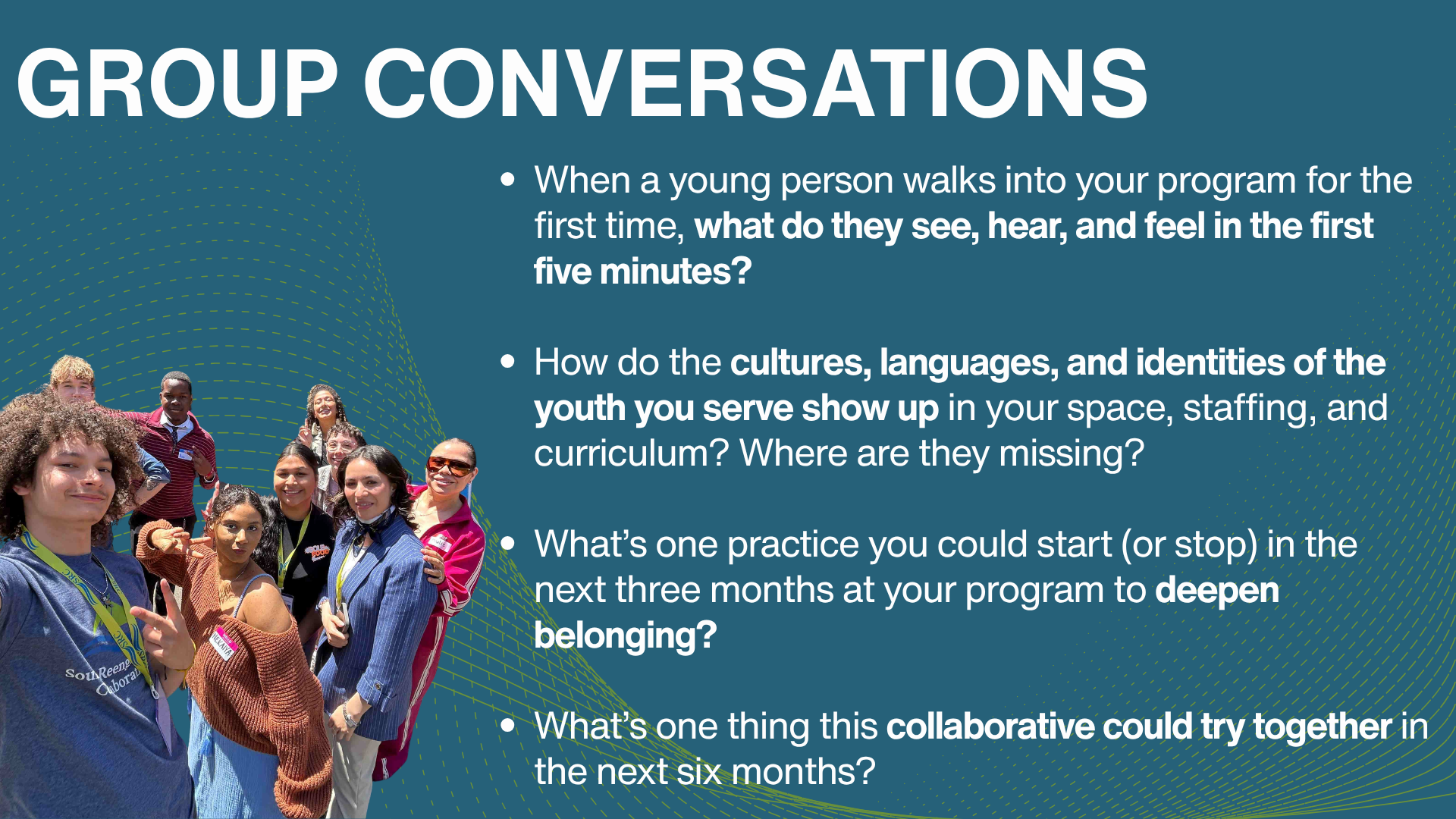
In person and online, small groups reflected on four questions: what a young person sees, hears, and feels in their first five minutes in a program; how youth cultures, languages, and identities show up (or are missing) in our spaces; one practice to start or stop in the next three months; and one thing the collaborative could try together in the next six months.
First five minutes. Groups described welcoming, relationship-first spaces: a smiling face, snacks and drinks, music, resources available right away, and curiosity instead of pressure. Several emphasized establishing from the start that staff and young people are working together, with universal respect. Northwest Education Access shared its practice of "radical welcoming," with multiple touchpoints to connect with people. Ano shared that he feels respected when he walks into his program. An online group compared youth-led spaces with clinical public health settings, noting how much warmth, the physical environment, and peer leaders change a young person's first impression.
Culture and identity. Participants named diverse staff, translated workshops and materials, flexible programming, and matching students with staff who share their language or culture when possible. Gaps included hiring more staff who reflect students' backgrounds and helping staff understand how their own backgrounds connect to the young people they serve. One idea: rather than only asking people to introduce themselves, invite them to explore a part of their identity that connects to the shared work and bring it to the group.
Beyond programs. One participant challenged systems built on "saviorism" and urged spaces where young people can take off the different masks they wear at home, at school, and in the community. The key question, they said, is not only "What do you want to do?" but "Who do you want to be?" Another participant recommended the book 10 to 25 by David Yeager, which explores giving young people ages 10–25 real decision-making power.
Ideas to try next:
Intentionally connect students with other students and create peer spaces.
Keep making sure physical spaces match the services offered and are welcoming.
Bring more young people into SRC meetings.
Create opportunities for youth to be involved in decision-making or co-design in our programs.
Restructure programming to deepen connection between youth and with adult providers.
Volunteer together as a collaborative with local community efforts, such as gardening or food projects, building trust with each other and the communities we serve, much like the Hawaiʻi convening.
Help Shape 2027
We closed with a call for feedback on the year ahead. We want to hear how you'd like to be involved in the SRC in 2027, whether through support groups, action tables, or ideas for network meeting topics. Please take our brief survey here.
Community Announcements
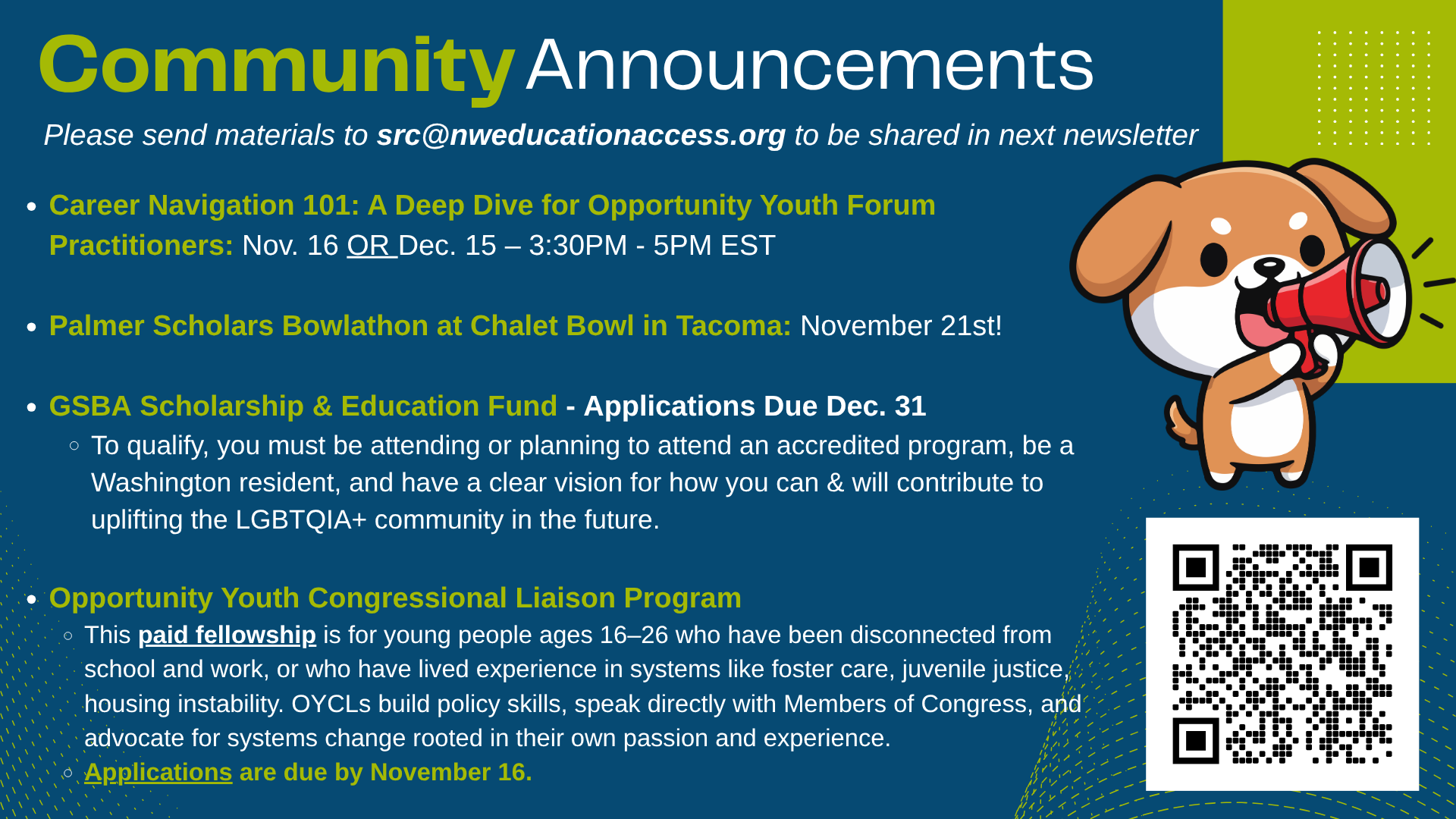
Opportunity Youth Congressional Liaison Program: A paid fellowship for young people ages 16–26 who have been disconnected from school and work or have lived experience in systems such as foster care, juvenile justice, or housing instability. Applications due November 16.
Career Navigation 101: A Deep Dive for Opportunity Youth Forum Practitioners: November 16 or December 15, 3:30–5 p.m. EST.
PSBN Fall Convening: Vote on Advocacy Day priorities. November 19, 11 a.m. on Zoom.
Palmer Scholars Bowl-a-thon: November 21 at Chalet Bowl in Tacoma.
GSBA Scholarship & Education Fund: For Washington residents attending or planning to attend an accredited program who have a clear vision for uplifting the LGBTQIA+ community. Applications due December 31.
Have an announcement for the next newsletter? Send it to src@nweducationaccess.org.
Upcoming Dates
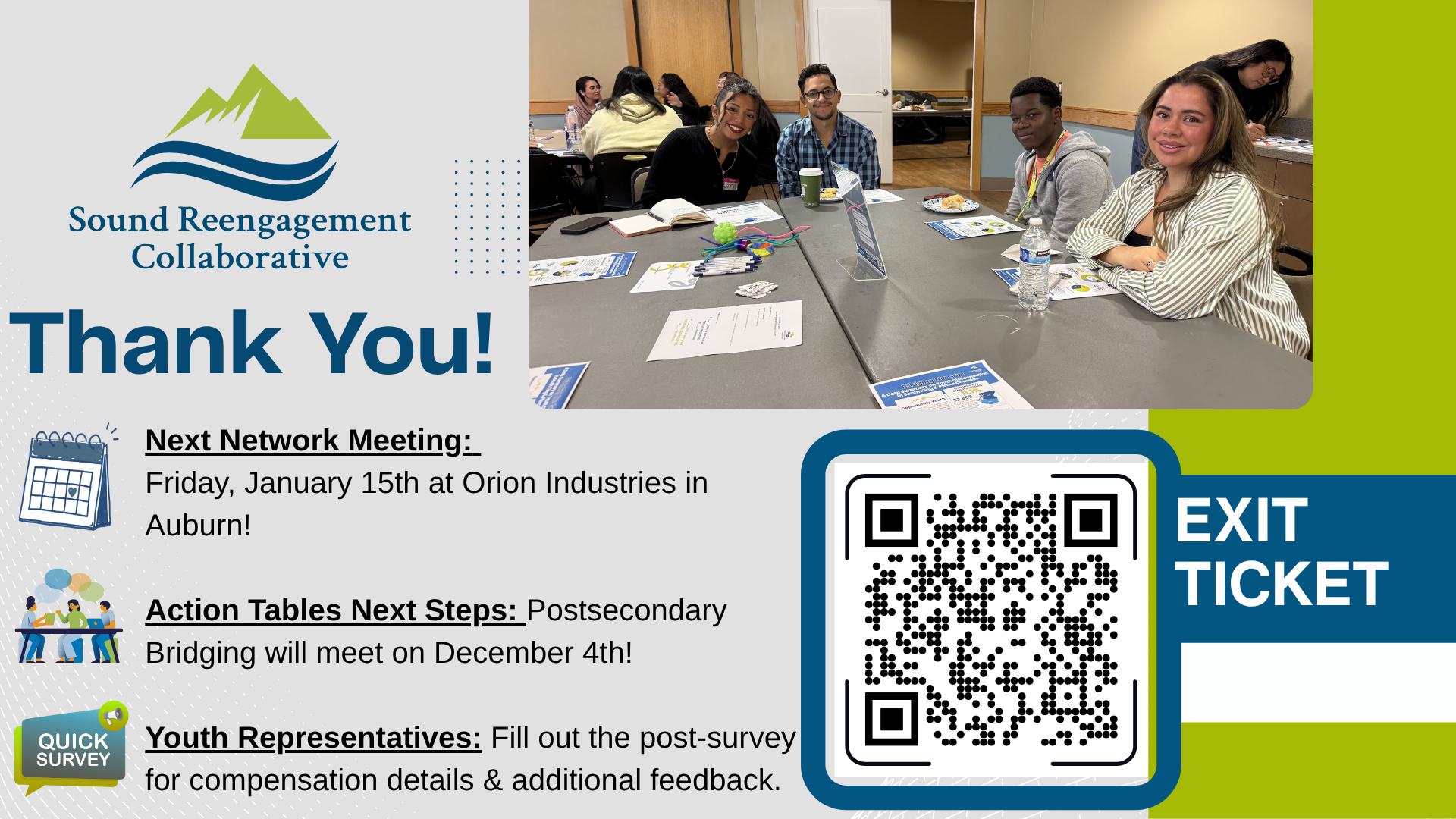
Postsecondary Bridging Action Table: December 3, 9:30 a.m., Zoom
Next SRC Network Meeting: Friday, January 15, 2027, Orion Industries, Auburn
Advocacy Day: February 2, 2027, Olympia
